Total Joint Replacement

Hattiesburg Clinic orthopaedic surgeons provide total joint replacement for knees, hips and shoulders.

Total Joint Replacement at Hattiesburg Clinic

Total joint replacement can be a life-changing procedure and is intended to restore function and reduce pain. This surgery is common for knees, hips and shoulders and can offer relief for those with severe joint issues. Advancements in surgical techniques have enhanced outcomes and shortened recovery times. In most cases, patients can go home the same day as surgery to begin recovery in the comfort of their home. Patients can return to daily activities with less discomfort. It’s a step toward a more active, pain-free life.

Contact our team to learn more.

(601) 268-5630

    CONTACT US

    This form is monitored Monday - Friday, 8 a.m. - 5 p.m. If you are experiencing a medical emergency, call 911 or go to your nearest emergency room. Read MoreIf you have an Iris account, please message us through Iris. We are not able to provide medical information or advice through this form. Two business days are required for a response or to request to cancel/reschedule an appointment.


    What Is Total Joint Replacement?

    Total joint replacement is a surgical technique aimed at alleviating joint pain and dysfunction. The procedure can involve replacing a worn or damaged joint with an artificial one, also known as a prosthesis, or your surgeon can work with the existing joint to repair damage. Prostheses are designed to mimic the natural movement of the joint and improve function.

    This surgery is typically considered when other treatments like medication or physical therapy have not improved the patient’s condition. It’s most often recommended for severe arthritis, injury or other debilitating joint conditions. Discussing your condition with a total joint specialist can determine if surgery is the best option for you.

    Joint replacement surgery offers numerous advantages. Patients often experience significant pain relief, restored mobility and improved quality of life. The procedure has a high success rate, with many joint implants lasting over a decade. Overall, joint replacement can lead to a more active, comfortable lifestyle.

    Common Types of Joint Replacement Surgery

    Joint replacement surgery varies depending on the joint needing repair. The most common surgeries are knee replacement, hip replacement and shoulder replacement surgery. These surgeries aim to restore function and reduce pain. Each procedure has its techniques tailored to the specific joint and targets different joints afflicted by conditions like arthritis or injury. Choosing the right surgery depends on the patient’s condition and lifestyle needs.


    Benefits of Outpatient Total Joint Replacement

    For qualifying patients, outpatient joint replacement surgery offers a faster, more convenient recovery experience without sacrificing quality of care. By allowing patients to return home the same day, it reduces hospital stays, lowers the risk of infection and promotes earlier mobility and rehabilitation. Advances in surgical techniques, anesthesia and pain management make this option safe and effective for many individuals, helping them regain function and independence more quickly while maintaining personalized, high-quality care.

    Our board-certified and fellowship-trained surgeons bring an advanced level of expertise and precision to joint replacement procedures. Their additional, specialized training focuses on complex surgical techniques, the latest implant technologies and best practices for patient outcomes. This depth of experience allows them to tailor each surgery to the patient’s specific anatomy and needs, helping ensure optimal function, longevity of the implant and a smoother recovery process.

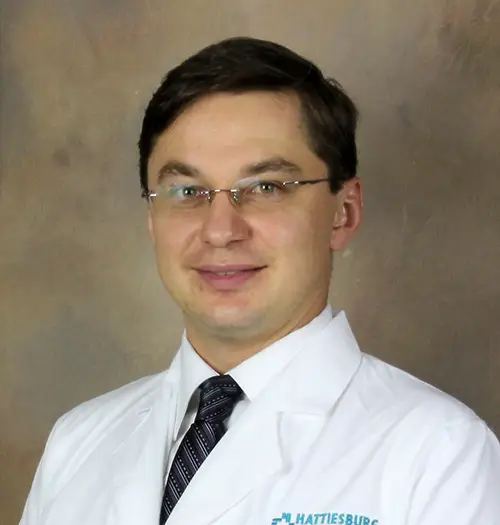
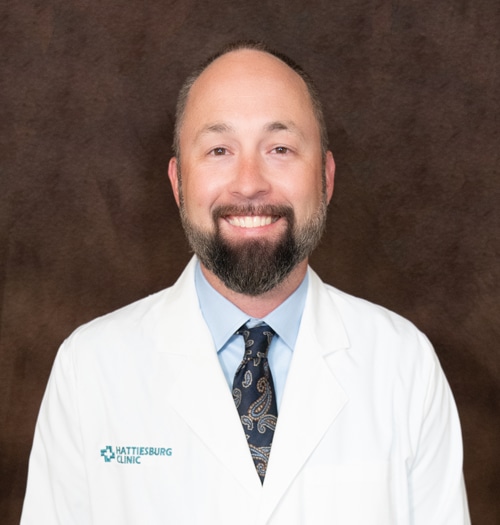
    Our total joint orthopedic surgeons and their specialties:

    Drs. Royals, Valentine and Wise offer outpatient total joint replacement surgery through the Lowery A. Woodall (LAW) Outpatient Surgery Center in Hattiesburg.

    Who Needs Joint Replacement Surgery?

    Not everyone with joint pain requires surgery. Typically, candidates suffer from severe joint damage impacting daily activities.

    Candidates include those with:

    • Persistent pain unresponsive to medication or physical therapy
    • Reduced mobility due to joint stiffness
    • Advanced arthritis affecting joint function

    Total joint replacement often becomes necessary when conservative treatments fail. It is also considered when joint pain limits movement, affecting the quality of life. Your physician will assess your overall health, activity level and specific joint issues to decide on surgical intervention. Ultimately, the goal is to relieve pain and restore mobility.

    What to Expect Before, During and After Surgery

    Preparation is key to successful joint replacement surgery and can greatly enhance the recovery process. Patients should discuss any medications they are taking with their physician to avoid complications. It is important to plan for a smooth recovery by arranging for transportation after surgery and having someone to help you recover at home.

    Understanding the joint replacement procedure can ease apprehensions. The surgery typically begins with anesthesia to ensure comfort. You will likely be sedated during the operation. The entire surgery could last several hours depending on the severity of the damage to the joint and surrounding area.

    After surgery, you are moved to a recovery room for observation. With advances in technology and surgery techniques, many patients can go home the same day as surgery. Post-surgery, patients are usually encouraged to start moving the joint gradually under supervision.

    What to Expect for Recovery and Rehabilitation

    Recovery focuses on regaining movement, reducing pain and safely resuming daily activities as quickly as possible. Most patients are encouraged to stand and begin walking within hours of surgery, with guidance to restore strength and flexibility.

    If you can return home the day of surgery, it is important to have a safe environment and a support person available to assist as needed. Clear instructions are provided for wound care, medications and activity levels. Follow-up visits ensure healing is progressing well and give patients an opportunity to ask questions or address concerns.

    During the first few days, most patients walk short distances with assistance, manage pain and swelling and begin gentle exercises. Over the following weeks, activity gradually increases, walking aids are reduced and strength and flexibility improve. Within one to three months, most patients return to their regular routines, including work and low-impact activities, with improved mobility and minimal discomfort.

    Physical therapy remains a key component of recovery, focusing on rebuilding strength, improving joint function and helping patients return to normal activities within weeks. Our orthopaedic surgeons work closing with Hattiesburg Clinic’s physical therapy services to create customized plans to coordinate a smooth recovery.

    Common Questions About Total Joint Replacement

    What is an orthopedic surgeon?

    An orthopedic surgeon is a physician who specializes in diagnosing, treating and performing surgery for conditions affecting the bones, joints, ligaments, tendons and muscles. These specialists are trained to help restore movement, reduce pain and improve quality of life for patients with injuries, arthritis, or other musculoskeletal disorders.

    How long does a hip replacement last?

    Most modern hip replacements can last 10 to 20 years or longer, depending on factors like the patient’s activity level, overall health and the type of implant used. Advances in surgical techniques and materials continue to improve the durability and lifespan of hip implants.

    How long does knee replacement surgery take?

    Knee replacement surgery typically takes about one to two hours to complete. The total time at the surgery center is longer to allow for preparation, anesthesia and initial recovery before the patient goes home for outpatient procedures.

    Is shoulder replacement surgery worth it?

    For many patients, shoulder replacement surgery can be highly beneficial. It can significantly reduce pain, restore range of motion and improve overall function, especially for those with severe arthritis or joint damage. Most patients report improved comfort and quality of life following recovery.

    Why Choose Hattiesburg Clinic

    When it comes to joint replacement, choosing the right provider makes all the difference. At Hattiesburg Clinic Orthopaedics & Sports Medicine, our orthopedic surgeons’ specialized training in total joint replacement combines advanced surgical expertise with personalized care to help patients achieve the best possible outcomes. Our team is highly experienced in the latest minimally invasive and outpatient joint replacement techniques, allowing many patients to go home the same day as their surgery.

    Our team takes time to understand each patient’s goals, lifestyle and expectations to create a customized treatment and recovery plan. From your first consultation through rehabilitation, you will receive coordinated, compassionate care focused on restoring mobility, reducing pain and getting you back to doing what you love.

    Contact your insurance representative to determine if a referral is needed. Choosing Hattiesburg Clinic means choosing a team who is focused on quality, innovation and patient-centered outcomes.

    Contact us for more information.

    (601) 268-5630

    Orthopaedics
    Hattiesburg, MS
    Orthopaedics & Sports Medicine
    Orthopaedics & Sports Medicine
    103 Medical Park
    Hattiesburg, MS 39401
    Get Directions
    Monday - Friday
    8 a.m. - 5 p.m.
    Orthopaedics
    Hattiesburg, MS
    Orthopaedics & Sports Medicine - Bellevue
    Hattiesburg Clinic - Bellevue
    7148 Hwy. 98 W.
    Ste. 203
    Hattiesburg, MS 39402
    Get Directions
    Monday - Friday
    8 a.m. - 5 p.m.
    Mark Barron, MD
    Mark T. Barron
    MD
    City Icon
    Hattiesburg
    Phone Icon
    Services
    Orthopaedics
    Michael Cox, MD
    Michael J. Cox
    MD
    City Icon
    Hattiesburg
    Phone Icon
    Services
    Orthopaedics
    Sergey Dzugan, MD
    Sergey S. Dzugan
    MD
    City Icon
    Hattiesburg
    Phone Icon
    Services
    Orthopaedics
    Brian Humpherys, MD
    Brian E. Humpherys
    MD
    City Icon
    Hattiesburg
    Phone Icon
    Services
    Orthopaedics
    Thomas Royals, MD
    Thomas P. Royals
    MD
    City Icon
    Hattiesburg
    Phone Icon
    Services
    Orthopaedics
    Matthew Valentine, MD
    Matthew T. Valentine
    MD
    City Icon
    Hattiesburg
    Phone Icon
    Services
    Orthopaedics
    J. Weaver, MD
    J. Michael Weaver
    MD
    City Icon
    Hattiesburg
    Phone Icon
    Services
    Orthopaedics
    Raymond Y. Whitehead, MD
    Raymond Y. Whitehead
    MD
    City Icon
    Hattiesburg
    Phone Icon
    Services
    Orthopaedics
    Jeremy A. Wise, MD
    Jeremy A. Wise
    MD
    City Icon
    Hattiesburg
    Phone Icon
    Services
    Orthopaedics
    Jennifer LaCroix, FNP, RNFA
    Jennifer E. LaCroix
    FNP, RNFA
    City Icon
    Hattiesburg
    Phone Icon
    Services
    Orthopaedics
    Benjamin Yelverton, PA-C
    Benjamin M. Yelverton
    PA-C
    City Icon
    Hattiesburg
    Phone Icon
    Services
    Orthopaedics
    Back to Top