Why Annual Physical Exams Matter: A Guide to Preventive Care
Preventive care is one of the most important steps you can take to protect your long-term health. Many serious conditions including high blood pressure, diabetes and certain cancers can develop quietly without noticeable symptoms.
Regular annual physical exams help detect potential health concerns early, often before you feel anything at all. Early detection means earlier treatment, better outcomes and in many cases, prevention altogether.
Your family medicine provider is more than someone you see when you are sick. They are your long-term partner in health who tracks changes over time, understands your personal and family history, and helps you stay on course year after year.
- What Is an Annual Physical Exam?
- Common Questions About Annual Physicals & Screening
- Common Preventive Screenings
- Preventative Immunizations
- Why Choose Hattiesburg Clinic
What Is an Annual Physical Exam?
An annual physical exam is a comprehensive, preventive visit focused on evaluating your overall health and identifying potential risks before they become serious problems.
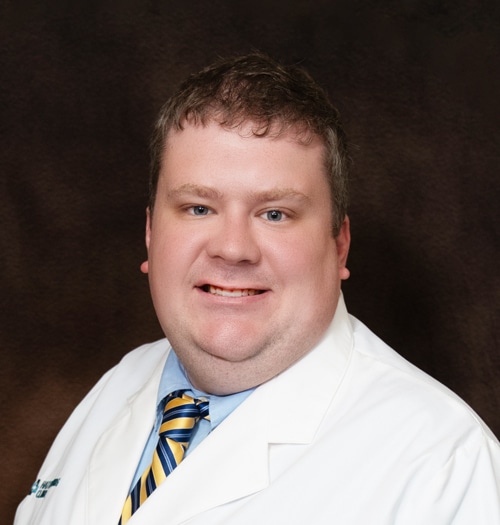
“An annual physical is more than just a routine check—it’s an opportunity to understand your health and catch diseases early,” said Samuel A. Twedt, DO, with Hattiesburg Clinic Wiggins Clinic. “It’s a time to discuss any changes to your medical history, discuss how you are feeling and work with your provider to create goals for your health.
What Happens at an Annual Physical?
During your annual physical, your provider will:
- Review your personal and family medical history
- Review current medications and supplements
- Check vital signs, including blood pressure, heart rate and temperature
- Measure height and weight and calculate BMI
- Perform a physical exam (heart, lungs, abdomen and more)
- Discuss lifestyle habits such as nutrition, exercise, sleep and stress
- Update recommended vaccinations
- Order lab work if appropriate
- Review and recommend screenings based on your age and risk factors
Common Questions About Annual Physicals & Screenings
Do I Need an Annual Physical if I Feel Healthy?
Yes. Many conditions such as high blood pressure, diabetes and high cholesterol often have no symptoms in their early stages. Feeling well does not always mean everything is normal.
How Often Should I get Blood Work Done?
The frequency of blood work depends on your age, medical history and individual risk factors. Your provider will recommend testing that is appropriate for you.
Are Preventive Screenings Covered by Insurance?
Most preventive services are covered by insurance plans. However, it is always a good idea to confirm coverage details with your specific plan.
Can I Talk About New Concerns at my Annual Visit?
Absolutely. Your provider wants to address questions, symptoms and concerns early. Open communication helps ensure nothing important is overlooked.
What if I Have a Family History of Cancer or Heart Disease?
A strong family history may mean you need earlier or more frequent screening. Sharing this information with your provider helps guide personalized recommendations.
Are screenings the Same for Men and Women?
Some screenings are gender-specific, while many apply to everyone. Your provider will recommend screenings based on your individual needs.
Common Preventive Screenings
Preventive health screenings are designed to identify risk factors and detect disease in its earliest and often most treatable stages. During your annual physical, your family medicine provider will recommend screenings based on your age, medical history and personal risk factors.
General Health Screenings
Routine health screenings form the foundation of preventive care. Blood pressure screening is one of the most important, as high blood pressure often has no symptoms but significantly increases the risk of heart disease and stroke. Cholesterol testing helps evaluate your risk for cardiovascular disease by measuring different types of fats in your blood. Diabetes screening, typically performed through a fasting glucose test or A1C blood test, can detect prediabetes or diabetes before complications develop.
Your provider will also measure body mass index (BMI) to assess whether your weight may increase your risk for certain conditions. Thyroid testing may be recommended if you have symptoms such as fatigue, weight changes or a family history of thyroid disease. Mental health is equally important, which is why depression and anxiety screenings are commonly included. Providers may also discuss alcohol and tobacco use, as both can significantly impact long-term health.
In addition, vision and hearing screenings may be recommended to detect gradual changes that can affect quality of life and safety.
Cancer Screenings
When it comes to cancer prevention, your family medicine physician will discuss recommended screenings based on your age, family history and personal risk factors and may refer you to a specialist for screening. Cancer screenings are critical because many cancers can develop without noticeable symptoms in the early stages.
Colon cancer screening, which may include a colonoscopy or stool-based testing, is recommended to start around age 45 or earlier for those with risk factors. Lung cancer screening may be recommended for patients with a significant smoking history, using a low-dose CT scan to detect early changes. Skin cancer screenings help identity concerning moles or lesions early.
For women, breast cancer screening, through mammography, is recommended annually for women over the age of 40 to detect breast abnormalities. Cervical cancer screening helps identify abnormal cells before they become cancerous. For men, prostate cancer screening involves a discussion about prostate-specific antigen (PSA) testing and individual risk.
“Your family medicine doctor can guide you on which cancer screenings are right for your age and risk factors, and help coordinate care with specialists within Hattiesburg Clinic to ensure you get timely, personalized care.” Said Dr. Twedt, with Hattiesburg Clinic Wiggins Clinic. “Cancer screenings save lives. By catching changes early, we can treat conditions before they become serious and give patients the best possible outcomes.”
Preventative Immunizations
Preventive care also includes preventive vaccines that are a safe and effective way to protect you from serious illnesses, helping your immune system stay prepared before you are ever exposed. Annual flu vaccines help reduce the risk of severe illness each year. Tdap boosters protect against tetanus, diphtheria and pertussis. Shingles and pneumonia vaccines are recommended for certain age groups to prevent serious complications. The HPV vaccine helps protect against several illnesses caused by the human papillomavirus and is recommended for adolescents and young adults.
Why Choose Hattiesburg Clinic
Choosing Hattiesburg Clinic for your family medicine needs means choosing a team that is committed to caring for you at every stage of life. Our providers focus on prevention, early detection and personalized care plans designed around your unique health history and goals. Annual physicals are designed with one goal in mind: prevention. Regular screenings can detect health concerns early often before symptoms appear giving you more treatment options and better outcomes. With access to a wide network of specialists, advanced diagnostic services and convenient locations, we make it easy to stay on top of your health.
###
About Hattiesburg Clinic:
Hattiesburg Clinic is Mississippi’s largest privately-owned, multispecialty clinic. Founded in 1963, Hattiesburg Clinic has expanded to include over 450 physicians and providers, along with 2,500 employees, serving patients across more than 17 counties in Mississippi. Hattiesburg Clinic is committed to being the health care provider of choice in the communities we serve.