Spinal Cord Stimulation: Understanding Who It Is For and How it Works
Back pain is one of the most common medical complaints, often stemming from conditions such as spinal stenosis, herniated discs or compression fractures. For individuals whose pain persists despite conservative treatments, spinal cord stimulation (SCS) may offer significant relief. But who qualifies as a candidate, and how does this therapy work?
What is Spinal Cord Stimulation?
Spinal cord stimulation involves the use of a small device, known as a spinal cord stimulator implant, to deliver electrical impulses to the spinal cord. These impulses interfere with pain signals before they reach the brain, helping to reduce chronic pain. SCS is commonly used for conditions like failed back surgery syndrome, complex regional pain syndrome and severe neuropathic pain.
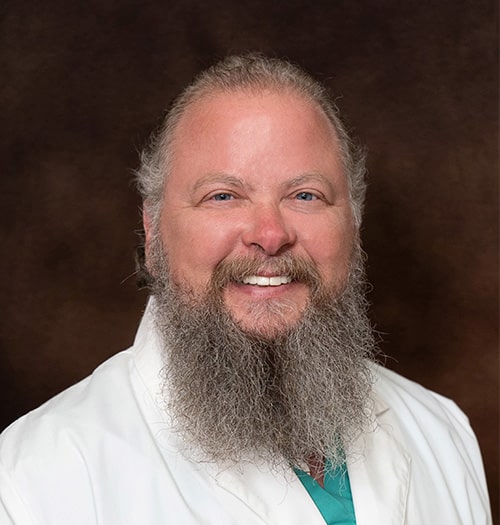
“Spinal cord stimulation can be very beneficial for patients with chronic back pain who haven’t found relief through traditional methods like physical therapy, epidural injections for back pain or minimally invasive lumbar decompression,”Brent D. Bevard, DO, a physician withHattiesburg Clinic Physical Medicine & Interventional Pain – Lincoln Center, said. “By targeting pain signals at the source, SCS can provide relief and improve quality of life.”
How Does Spinal Cord Stimulation Work?
The spinal cord stimulator consists of electrodes placed near the spinal cord and a small generator implanted under the skin. Once activated, the device sends low-level electrical currents to the dorsal root ganglion or other targeted areas, modulating the pain pathways. This can be particularly effective for conditions that are unresponsive to nerve block injections, lumbar radiofrequency ablation (RFA) or epidural injections for back pain.
“One of the key advantages of spinal cord stimulation is its customization. The trial phase allows us to tailor the therapy to each patient’s specific needs, ensuring they receive the best possible relief,” P. Lynn Bell, DO, with Hattiesburg Clinic Physical Medicine & Rehabilitation, said. “For many, this treatment means they can avoid more invasive options, like lumbar ablation or non-surgical spinal decompression, and regain control of their lives.”
Who is a Candidate for Spinal Cord Stimulation?
A variety of factors determine whether a patient is suitable for SCS:
- Chronic Pain: Individuals with persistent pain lasting more than six months, particularly in the lower back, legs or arms, are potential candidates.
- Failed Conservative Treatments: Patients who have not found relief through physical therapy, non-surgical spine treatments or interventions such as trigger point injections, epidural steroid injections or lumbar RFA may benefit.
- Non-Surgical Options Preferred: Many candidates prefer avoiding surgeries like lumbar decompression surgery or kyphoplasty.
- Psychological Readiness: A psychological evaluation ensures the patient can cope with the device and the commitment required for its use.
A back pain specialist or a physical medicine and rehabilitation (PM&R) doctor, also known as a physiatrist, typically evaluates candidates. These specialists often collaborate with anesthesiologists and spine centers to develop a personalized treatment plan.
Benefits of Spinal Cord Stimulation
SCS offers several advantages over traditional pain management approaches:
- Minimally Invasive: The procedure is less invasive than options like lumbar decompression surgery or kyphoplasty procedures.
- Adjustable Pain Relief: The device can be programmed to address changing pain levels.
- Reduced Dependence on Medications: SCS minimizes the need for opioids or other pain-relief medications.
- Reversible: If the therapy is ineffective, the device can be removed without long-term consequences.
“Patients with conditions like spinal stenosis, herniated discs or post-surgical pain often feel like they’ve run out of options,” Dr. Bell said. “Spinal cord stimulation offers a safe and effective alternative for managing their pain, especially when combined with other treatments like lumbar decompression surgery or trigger point injections.”
The Role of PM&R Specialists
At Hattiesburg Clinic, our PM&R specialists are dedicated to helping patients manage chronic pain and determining the best course of action for conditions like spinal stenosis or compression fractures. Every care plan is individualized to incorporate the most effective modalities for each patient.
This holistic approach addresses the whole person, not just a single area of concern, making them a valuable resource for patients seeking non-surgical spine treatments or minimally invasive solutions. If you are ready to explore treatment options, ask your provider for a referral or contact our team to get started.
###
About Hattiesburg Clinic Physical Medicine, Rehabilitation & Interventional Pain:
At Hattiesburg Clinic, our physical medicine, rehabilitation & interventional pain providers are experts in nerves, muscles, and bones, trained to treat injuries and conditions that impact movement. Patients receive compassionate, specialized care for musculoskeletal, spine, and other painful conditions, with the goal of restoring function and reducing pain. For those who require medication as part of their treatment, the Pain Management Health Center offers comprehensive evaluations and ongoing management under the supervision of experienced specialists. By providing an appropriate treatment plan, our physicians help patients stay as active as possible at any age.
About Hattiesburg Clinic:
Hattiesburg Clinic is Mississippi’s largest privately-owned, multispecialty clinic. Founded in 1963, Hattiesburg Clinic has expanded to include over 450 physicians and providers, along with 2,500 employees, serving patients across more than 17 counties in Mississippi. Hattiesburg Clinic is committed to being the health care provider of choice in the communities we serve.