The Everyday Impact of Orthopaedics & Sports Medicine
The Role of Orthopaedics & Sports Medicine Beyond the Field
Beyond the field of play, orthopedics and sports medicine plays a vital role in diagnosing and treating disorders, injuries and diseases related to the body’s musculoskeletal system. This includes the parts of your body that allow you to move, including bones, joints, ligaments, tendons, muscles and nerves1. Orthopedics generally includes a broad range of musculoskeletal issues, including fractures, joint disorders and diseases, trauma-related injuries, spine disorders, foot and ankle issues and congenital abnormalities. Likewise, sports medicine focuses on injuries and conditions not only related to sports, but also physical activity in general. Both specialties offer a focus on improving your overall musculoskeletal health and quality of life.
Orthopaedic medicine focuses on diagnosing, treating and preventing musculoskeletal disorders and injuries, extending beyond sports-related issues to conditions like arthritis, trauma injuries and repetitive strain injuries. Specialists provide personalized care through surgical and non-surgical options, including joint replacements, physical therapy and ergonomic solutions, aiming to restore mobility, alleviate pain and enhance quality of life. Preventative measures such as proper lifting techniques, good posture, ergonomic workspaces and regular exercise help reduce injury risks, emphasizing the importance of maintaining musculoskeletal health in daily life and work environments.
What is Orthopedic Medicine?
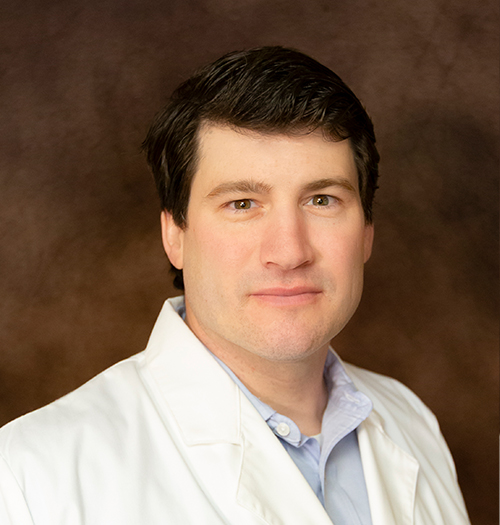
“A common misconception is that orthopedic and sports medicine specialists only treat athletes who have been injured from playing a sport or doing physical activity; however, that is not always the case,” explains Raymond Y. Whitehead, MD, a physician with Hattiesburg Clinic Orthopaedics & Sports Medicine. “As orthopedic surgeons, we understand that musculoskeletal disorders can stem from a variety of causes, not just sports-related injuries.”
Common injuries and diagnoses that require professional help from orthopedic and sports medicine specialists include:
- Musculoskeletal disorders such as plantar fasciitis, tendinitis, low back pain and shin splints, which can occur from repeated stress or overuse during physical activities or everyday tasks.
- Repetitive strain injuries like carpal tunnel syndrome, which result from repetitive hand movements, forceful grasping or pinching of objects and awkward wrist positions2.
- Degenerative conditions like arthritis, which can affect different joints in the body and cause pain, stiffness and reduced mobility over time.
- Trauma injuries, such as fractures, joint dislocations, ligament and tendon injuries that result from traumatic incidents like falls, vehicle accidents or direct bone-to-bone impacts.
Understanding the prevalence of common injuries highlights the importance of seeking appropriate diagnosis and treatment. Orthopedic and sports medicine specialists are essential in providing effective care and rehabilitation for individuals dealing with musculoskeletal disorders, regardless of whether the injury occurred during sports or other activities. By consulting with these experts, individuals can receive personalized treatment plans tailored to their specific needs, helping them regain function and quality of life.
Orthopedic surgeons specialize in providing both surgical and non-surgical treatments for injuries and diseases within the body’s musculoskeletal system. Offering comprehensive care options allows individuals to regain function and quality of life, regardless of the cause of their injury.
Treatment Options
Orthopedic and sports medicine specialists use both surgical and non-surgical options to treat fractures, joint dislocations, neck and back problems, arthritis, knee pain, bursitis and more. Surgical treatments are available for conditions such as fractures and joint dislocations.
Surgical treatment options include:
- Arthroscopic surgery, a surgical procedure that may be used to help diagnose the underlying cause and, in many cases, treat it.
- Hip Replacement, a common type of joint replacement that is used to alleviate hip discomfort and restore hip function.
- Knee Replacement, also called knee arthroplasty, is recommended when nonsurgical treatment options were not effective in alleviating pain and restoring knee function.
- Spine Surgery, typically performed to repair or reconstruct herniated discs, spinal fractures, spinal deformities, spinal tumors, degenerative discs and more.
Non-surgical treatment options
Non-surgical treatment options, such as physical therapy, medication management, injections and other approaches aimed at reducing pain and improving function, are also available for a variety of conditions. Treatment plans are tailored to each patient’s unique needs and goals.
Whether surgical or non-surgical, the goal is to provide compassionate care that helps patients regain mobility, alleviate pain and achieve the best possible outcome.
How to Avoid Orthopedic Issues
People in many different industries and occupations can be exposed to risk factors at work, such as lifting heavy items, bending, reaching overhead, pushing and pulling heavy loads, working in awkward body postures and performing the same or similar tasks repetitively. Work-related musculoskeletal disorders can be prevented by simply taking the appropriate precautions.
Here are some useful tips to help reduce the risk of work-related injuries:
- Practice Proper Lifting Techniques: When lifting heavy items, bend your knees and keep your back straight. Avoid twisting your body while lifting and use your legs to power the lift rather than your back. If an object is too heavy, ask for assistance or use lifting aids.
- Maintain Good Posture: Whether you’re sitting at a desk or standing for long periods, maintaining good posture is important for preventing back and neck pain. Sit up straight with your shoulders back and relaxed, and keep your feet flat on the floor. Use ergonomic chairs and desks to support your posture.
- Implement Ergonomic Workstations: Arrange your workstation to minimize strain on your body. Ensure that your computer monitor is at eye level, your keyboard and mouse are within easy reach and your chair provides adequate support for your back and arms.
- Incorporate Regular Exercise: Studies show that incorporating exercise into your daily routine not only strengthens your muscles and improves flexibility but also helps to prevent muscle imbalances and reduces risk of injury during daily tasks3.
By incorporating these preventative measures into your daily routine and work habits, you can significantly reduce the risk of work-related injuries and musculoskeletal disorders. Remember to listen to your body and prioritize your musculoskeletal health to maintain mobility, productivity and general health and wellness.
Why Choose Hattiesburg Clinic?
Our expert team of physicians at Hattiesburg Clinic are dedicated to helping improve your quality of life. Whether you’re experiencing pain from repetitive strain injuries or dealing with the aftermath of a traumatic incident, our orthopedic and sports medicine specialists are here to provide high quality treatment plans aimed at restoring your mobility, alleviating discomfort and improving your overall well-being.
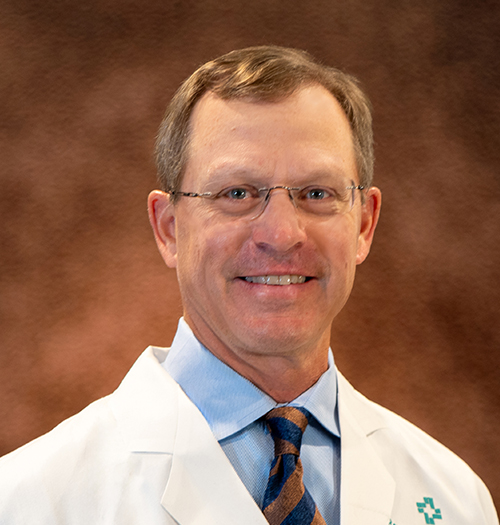
“Whether through surgical intervention or non-surgical treatments,” emphasizes Mark T. Barron, MD, a physician with Hattiesburg Clinic Spine Center, “our aim is to offer compassionate care that helps patients regain mobility, alleviate pain and achieve the best possible outcome. Our team is committed to improving the quality of life for all individuals dealing with musculoskeletal disorders.”
For more information, visit https://www.hattiesburgclinic.com/orthopaedics/.
Resources:
1: Hattiesburg Clinic Orthopaedics
2: CDC – Carpal Tunnel Syndrome
3: CDC – Benefits of Physical Activity
###
About Hattiesburg Clinic – Orthopaedic & Sports Medicine
Our orthopedics practice at Hattiesburg Clinic focuses on diagnosing and treating disorders, injuries and diseases within the body’s musculoskeletal system. This includes the parts of your body that allow you to move – bones, joints, ligaments, tendons, muscles and nerves. Our board-certified physicians use both surgical and non-surgical treatment options to treat fractures, joint dislocations, neck and back problems, arthritis, knee pain, bursitis and more.
Our sports medicine specialists specialize in non-surgical care for fractures and joint pain and treat a wide array of injuries. Some of the most common injuries we treat are fractures, sprains, strains and concussions. Our team is proud to serve patients throughout Mississippi.
About Hattiesburg Clinic:
Hattiesburg Clinic is Mississippi’s largest privately-owned, multispecialty clinic. Founded in 1963, Hattiesburg Clinic has expanded to include over 450 physicians and providers, along with 2,500 employees, serving patients across more than 17 counties in Mississippi. Hattiesburg Clinic is committed to being the health care provider of choice in the communities we serve.