
Lipid Panel Test: What It Measures and Why It Matters
A lipid panel is onLipid Panel Test: What It Measures and Why It Matters
A lipid panel is one of the most common tools physicians use to evaluate heart health. This routine blood test measures the levels of fats in your blood and helps identify risk factors for cardiovascular disease before symptoms appear. Often included in annual wellness visits, a lipid panel test provides clear, actionable information that can guide both prevention and treatment.
- What Is a Lipid Panel?
- What Does a Lipid Panel Test For?
- How is a Lipid Test Performed?
- Why a Lipid Panel Matters
- Understanding Your Lipid Panel Results
- When Should You Get a Lipid Panel?
- Why Choose Hattiesburg Clinic
What Is a Lipid Panel?
A lipid panel is a type of cholesterol blood test that measures several key lipids circulating in your bloodstream. These include total cholesterol, LDL cholesterol, HDL cholesterol and triglycerides.
Each of these plays a different role in the body. When levels fall outside of recommended ranges, they can contribute to plaque buildup in the arteries, increasing the risk of heart attack, stroke and other complications.
A lipid panel check gives your physician a more complete picture than a single number alone, making it an essential part of preventive health care.
What Does a Lipid Panel Test For?
Understanding a lipid panel starts with looking at the four primary components it measures.
- Total Cholesterol: This number reflects the overall amount of cholesterol in your blood, including both beneficial and harmful types.
- LDL Cholesterol: Often called “bad” cholesterol, it can build up along artery walls. Over time, this buildup may restrict blood flow and increase cardiovascular risk.
- HDL Cholesterol: Known as “good” cholesterol, this helps remove excess cholesterol from the bloodstream. Higher levels are associated with better heart health.
- Triglycerides: Triglycerides are a type of fat stored in the body and used for energy. Elevated levels may increase the risk of heart disease, particularly when combined with high LDL cholesterol or low HDL cholesterol.
Together, these measurements provide a detailed view of how your body manages fats and where potential risks may exist.
How is a Lipid Test Performed?
A lipid panel check is a simple blood draw, typically performed in a clinical setting or laboratory. A small sample of blood is collected from a vein in your arm and analyzed to measure cholesterol and triglyceride levels.
Depending on your physician’s recommendation, fasting may be required prior to the test to ensure accurate triglyceride results. In many cases, however, a non-fasting cholesterol test may be appropriate.
The process is quick and requires minimal disruption to your day.
Why a Lipid Panel Matters
High cholesterol often develops without noticeable symptoms, which makes early detection especially important. A lipid panel blood test provides insight that can help prevent more serious conditions down the line.
A lipid panel test supports:
- Early identification of cardiovascular risk
- Informed decisions about diet, activity and overall lifestyle
- Monitoring of treatment or medication effectiveness
- Ongoing management of long-term health
By tracking these values over time, patients and physicians can take a proactive approach to heart health.
Understanding Your Lipid Panel Results
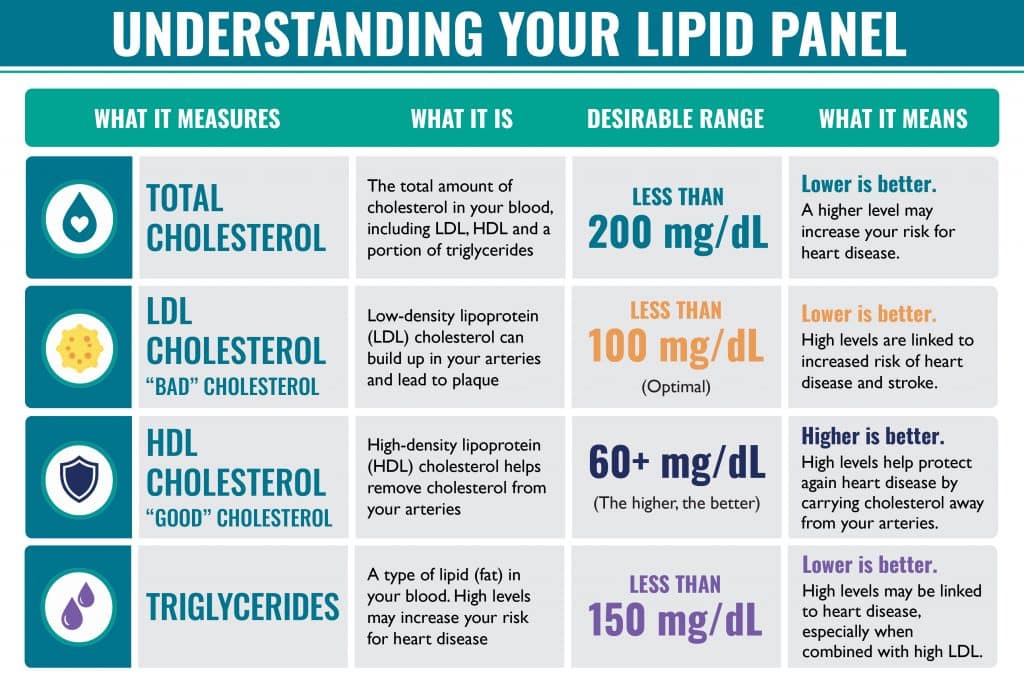
Your lipid panel results will include values for total cholesterol, LDL cholesterol, HDL cholesterol and triglycerides. Each number contributes to a broader understanding of your cardiovascular risk.
In general:
- Lower LDL cholesterol is associated with reduced risk.
- Higher HDL cholesterol is beneficial.
- Lower triglycerides are preferred.
- Total cholesterol should remain within a recommended range.
Your physician will interpret these results based on your overall health profile, including personal and family medical history. Trends over time are often more meaningful than a single result.
When Should You Get a Lipid Panel?
A lipid panel test is typically part of routine preventive care, but the frequency of testing may vary depending on individual risk factors.
More frequent testing may be recommended for those with:
- A family history of heart disease
- High blood pressure
- Diabetes
- Tobacco use
- Limited physical activity
Routine screening helps detect changes early and supports timely, effective care.
Why Choose Hattiesburg Clinic
When it comes to a lipid panel, accuracy and timing matter. The on-site laboratory at Hattiesburg Clinic is equipped to deliver precise lipid panel blood test results quickly, helping your physician make informed decisions about your cardiovascular health.
With on-site testing, your lipid panel test is processed efficiently, reducing wait times and allowing for faster follow-up. Results are delivered directly to your Iris patient portal, giving both you and your physician secure, timely access to your numbers.
Because our laboratory works closely with physicians across Hattiesburg Clinic, your lipid panel check is seamlessly integrated into your overall care. This connection supports quicker interpretation of results and more coordinated next steps, whether that involves lifestyle guidance, ongoing monitoring or treatment.
Our laboratory is more than a testing facility. It is a critical part of how we help detect risk early, monitor changes over time and support better heart health for every patient we serve.
If you are due for a lipid panel, speak with your Hattiesburg Clinic physician about having your test completed at one of our on-site laboratory locations.
###
About Hattiesburg Clinic:
Hattiesburg Clinic is Mississippi’s largest privately-owned, multispecialty clinic. Founded in 1963, Hattiesburg Clinic has expanded to include over 450 physicians and providers, along with 2,500 employees, serving patients across more than 17 counties in Mississippi. Hattiesburg Clinic is committed to being the health care provider of choice in the communities we serve.e of the most common tools physicians use to evaluate heart health. This routine blood test measures the levels of fats in your blood and helps identify risk factors for cardiovascular disease before symptoms appear. Often included in annual wellness visits, a lipid panel test provides clear, actionable information that can guide both prevention and treatment.
What Is a Lipid Panel?
A lipid panel is a type of cholesterol blood test that measures several key lipids circulating in your bloodstream. These include total cholesterol, LDL cholesterol, HDL cholesterol and triglycerides.
Each of these plays a different role in the body. When levels fall outside of recommended ranges, they can contribute to plaque buildup in the arteries, increasing the risk of heart attack, stroke and other complications.
A lipid panel check gives your physician a more complete picture than a single number alone, making it an essential part of preventive health care.
What Does a Lipid Panel Test For?
Understanding a lipid panel starts with looking at the four primary components it measures.
- Total Cholesterol: This number reflects the overall amount of cholesterol in your blood, including both beneficial and harmful types.
- LDL Cholesterol: Often called “bad” cholesterol, it can build up along artery walls. Over time, this buildup may restrict blood flow and increase cardiovascular risk.
- HDL Cholesterol: Known as “good” cholesterol, this helps remove excess cholesterol from the bloodstream. Higher levels are associated with better heart health.
- Triglycerides: Triglycerides are a type of fat stored in the body and used for energy. Elevated levels may increase the risk of heart disease, particularly when combined with high LDL cholesterol or low HDL cholesterol.
Together, these measurements provide a detailed view of how your body manages fats and where potential risks may exist.
How is a Lipid Test Performed?
A lipid panel check is a simple blood draw, typically performed in a clinical setting or laboratory. A small sample of blood is collected from a vein in your arm and analyzed to measure cholesterol and triglyceride levels.
Depending on your physician’s recommendation, fasting may be required prior to the test to ensure accurate triglyceride results. In many cases, however, a non-fasting cholesterol test may be appropriate.
The process is quick and requires minimal disruption to your day.
Why a Lipid Panel Matters
High cholesterol often develops without noticeable symptoms, which makes early detection especially important. A lipid panel blood test provides insight that can help prevent more serious conditions down the line.
A lipid panel test supports:
- Early identification of cardiovascular risk
- Informed decisions about diet, activity and overall lifestyle
- Monitoring of treatment or medication effectiveness
- Ongoing management of long-term health
By tracking these values over time, patients and physicians can take a proactive approach to heart health.
Understanding Your Lipid Panel Results
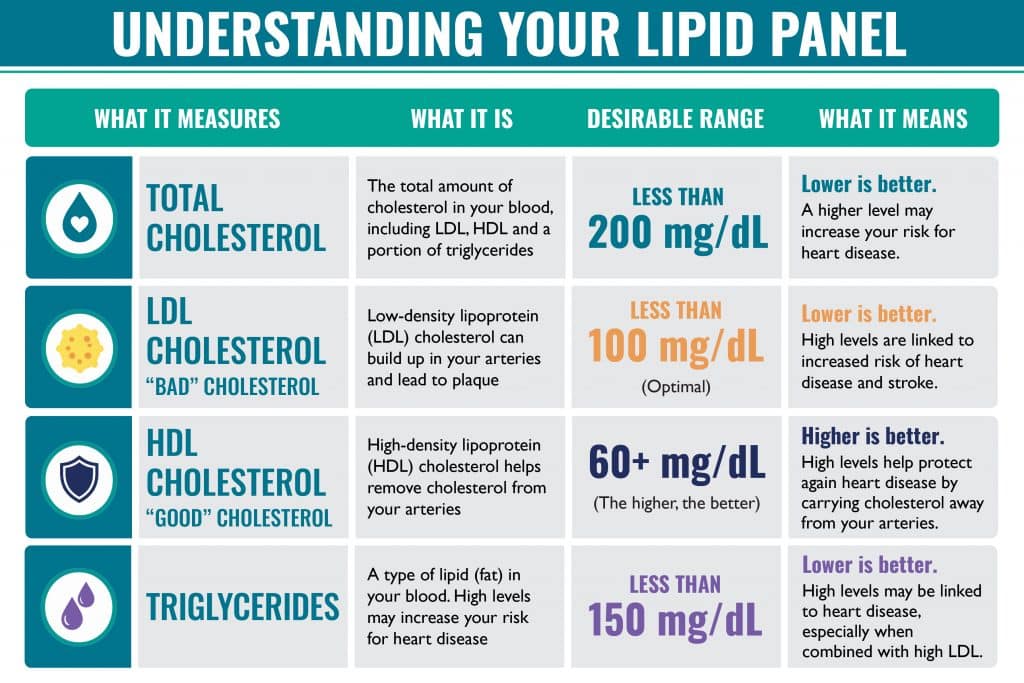
Your lipid panel results will include values for total cholesterol, LDL cholesterol, HDL cholesterol and triglycerides. Each number contributes to a broader understanding of your cardiovascular risk.
In general:
- Lower LDL cholesterol is associated with reduced risk.
- Higher HDL cholesterol is beneficial.
- Lower triglycerides are preferred.
- Total cholesterol should remain within a recommended range.
Your physician will interpret these results based on your overall health profile, including personal and family medical history. Trends over time are often more meaningful than a single result.
When Should You Get a Lipid Panel?
A lipid panel test is typically part of routine preventive care, but the frequency of testing may vary depending on individual risk factors.
More frequent testing may be recommended for those with:
- A family history of heart disease
- High blood pressure
- Diabetes
- Tobacco use
- Limited physical activity
Routine screening helps detect changes early and supports timely, effective care.
Why Choose Hattiesburg Clinic
When it comes to a lipid panel, accuracy and timing matter. The on-site laboratory at Hattiesburg Clinic is equipped to deliver precise lipid panel blood test results quickly, helping your physician make informed decisions about your cardiovascular health.
With on-site testing, your lipid panel test is processed efficiently, reducing wait times and allowing for faster follow-up. Results are delivered directly to your Iris patient portal, giving both you and your physician secure, timely access to your numbers.
Because our laboratory works closely with physicians across Hattiesburg Clinic, your lipid panel check is seamlessly integrated into your overall care. This connection supports quicker interpretation of results and more coordinated next steps, whether that involves lifestyle guidance, ongoing monitoring or treatment.
Our laboratory is more than a testing facility. It is a critical part of how we help detect risk early, monitor changes over time and support better heart health for every patient we serve.
If you are due for a lipid panel, speak with your Hattiesburg Clinic physician about having your test completed at one of our on-site laboratory locations.
###
About Hattiesburg Clinic:
Hattiesburg Clinic is Mississippi’s largest privately-owned, multispecialty clinic. Founded in 1963, Hattiesburg Clinic has expanded to include over 450 physicians and providers, along with 2,500 employees, serving patients across more than 17 counties in Mississippi. Hattiesburg Clinic is committed to being the health care provider of choice in the communities we serve.