Tips for Prioritizing Foot Health
With 26 bones, 33 joints and a web of nerves and blood vessels, as well as over 100 tendons and ligaments, the human foot is incredibly complex. Despite this complexity, people tend to overlook the importance of their feet and overall foot health. One of the most effective ways to promote foot health is with well-fitting, supportive shoes.
Regardless of age or health conditions, shoe choice can have a significant impact on overall health, but many people still choose shoes that are ill-fitting, unsupportive or not conducive to proper foot movement and function.
In This Article:
Why is Shoe Fit So Important?
Shoe fit is essential to ensuring overall foot health. Properly fitting shoes can help prevent painful foot deformities, protect joints and help maintain proper balance and posture. Shoes that are too tight can squeeze the toes in unnatural ways, causing permanent bone and tissue deformities like hammertoes and bunions. Conversely, shoes that are too loose can create friction, leading to blisters, calluses and skin thickening. Narrow toe boxes can squeeze and push against toenails, forcing them to grow into surrounding skin causing ingrown toenails. Shoe fit also includes arch support; shoes with inadequate arch support can cause conditions like plantar fasciitis and collapsed arches.
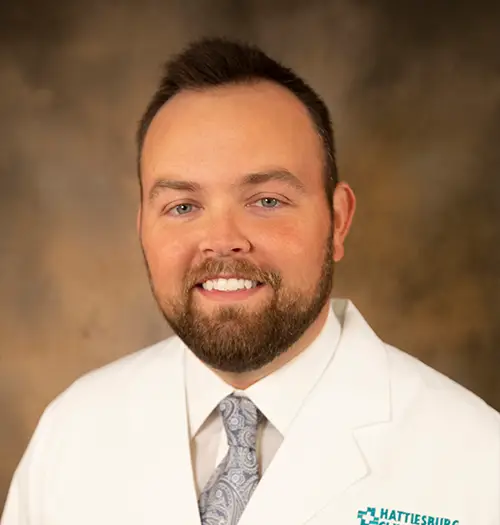
Aaron M. Israel, DPM, with Hattiesburg Clinic Podiatry also warns of other conditions caused by ill-fitting shoes, including:
- Nail dystrophy: the deformation, thickening or discoloration of the toenails
- Morton neuroma: a damaged, enlarged nerve that causes pain in the forefoot, typically in the area behind the third and fourth toe
What Makes a Shoe a Good Fit?
“Our shoe size can increase as we age,” Dr. Israel said. “Some things that can cause this increase are pregnancy, edema or swelling, flat foot deformity, weight gain — so even as adults, you want to have your foot measured about every two years.”
Most shoe stores have what is called a Brannock device, a foot measuring tool used to determine foot length (heel to toe), arch length (heel to ball) and width. The Brannock device will provide an accurate size recommendation, but there are additional considerations to be made. When buying shoes, it is important to consider three things: the width of the toe box, the level of arch support and the stability of the shoe.
“You want to make sure the shoe is stable,” Israel said. “You don’t want to be able to take a shoe and ball it up in your hand. You know these minimalist shoes, the barefoot shoes that they sell, I see patients develop a lot of problems wearing those shoes.”
Another consideration to make when buying shoes is the insert. Factory shoe insoles, the ones that typically come with the shoe, are often included for cushioning and a finished interior, not for structured support.
“The factory insert in a shoe is rarely enough to provide enough support,” Israel said. “I typically recommend a foot orthotic; that can be custom, or it can be off the shelf.”
Store-bought or over-the-counter inserts, sometimes referred to as arch support insoles or shoe inserts, offer arch support matched to foot type at the general levels of “low,” “neutral” or “high.” Typically, they have a deep heel cup for alignment and motion control, as well as shock absorption and a balanced firmness that is not overly flimsy. Over-the-counter inserts are a great, cost-effective option, but if they do not improve foot pain or symptoms after about two to four weeks of use, custom orthotics should be considered.
Custom orthotics are fitted to the foot using foot molds, gait analysis or 3D scanning. They are often made from durable materials like graphite or medical-grade ethylene-vinyl acetate (EVA), a specialized thermoplastic copolymer that is engineered to meet health care and pharmaceutical safety standards. Custom orthotics typically last three to five years.
Be Cautious About Going Barefoot
According to the Journal of Archeological Science, humans began wearing shoes, typically in the form of sandals or moccasins, more than 40,000 years ago. It is suggested that early humans did so for reasons similar to those of today: structural support, comfort and protection from things like sharp objects, pests, heat and germs.
“The biggest tip I have in South Mississippi is don’t go barefoot,” Israel said. “The most common things I see are toenail fungus, plantar warts, athlete’s foot infections; I see those things on a daily basis. They’re very prevalent in the subtropical humid climate of South Mississippi.”
Israel specifically advises wearing shoes at water parks, swimming pools, pool decks, hotel showers or locker rooms. These environments are typically wet and warm, creating the ideal breeding grounds for fungus, and walking barefoot on these surfaces significantly increases your risk of contracting fungal infections on your feet.
Maintaining a foot care routine centered on keeping the feet dry and clean is essential for the overall health of your feet. Fungi typically thrive in the space between toes, so taking extra time to dry these areas is important. Additionally, for individuals prone to recurrent infections, applying an antifungal spray or powder after drying off can act as a shield to help prevent infection.
###
About Hattiesburg Clinic Podiatry:
Hattiesburg Clinic Podiatry provides medical and surgical treatment of patients with diseases of the foot.
We offer therapies for such disorders as bunions, hammertoes, diabetic foot care, corns, calluses, ingrown or fungal toenails, warts, heel/arch pain, childhood deformities, sprains and injuries. Additional services include custom molded shoes for diabetics and extra depth diabetic custom mold AFO braces for drop foot deformity due to stroke, or other illnesses and custom-made foot orthoses.
About Hattiesburg Clinic:
Hattiesburg Clinic is Mississippi’s largest privately-owned, multispecialty clinic. Founded in 1963, Hattiesburg Clinic has expanded to include over 450 physicians and providers, along with 2,500 employees, serving patients across more than 17 counties in Mississippi. Hattiesburg Clinic is committed to being the health care provider of choice in the communities we serve.