Simple Ways to Promote Fall Prevention
Serious falls drive hospitalization, nursing home placement and millions in health care costs. New federal data highlights the serious consequences of falls among older adults (OIG). In the United States, one in four people 65 years of age and older fall each year, but less than half tell their doctor (CDC). Falling once doubles the chance of falling again, so it is important to understand the dangers of falling and how to prevent it from happening.
In This Article:
- Why Are Falls So Dangerous?
- What Are Some Conditions That Make Someone More Prone To Falls?
- What Steps Can Be Taken To Avoid Falls?
- What Actions Should Be Taken If A Fall Occurs?
Why Are Falls So Dangerous?
According to the World Health Organization, an estimated 684,000 fatal falls occur each year worldwide, making falls the second leading cause of accidental death after road traffic injuries. Additionally, about 37.3 million falls severe enough to cause injury requiring medical attention occur each year.
In the United States, one out of every 10 falls results in injury requiring older adults to limit their activities for a day or more, or to seek medical care (CDC). Yearly, it is also reported there are approximately 3 million emergency room visits due to falls, about one million fall-related hospitalizations. Nursing homes alone reported over 42,000 falls with major injury and hospitalization, resulting in over $800 million in hospital care.
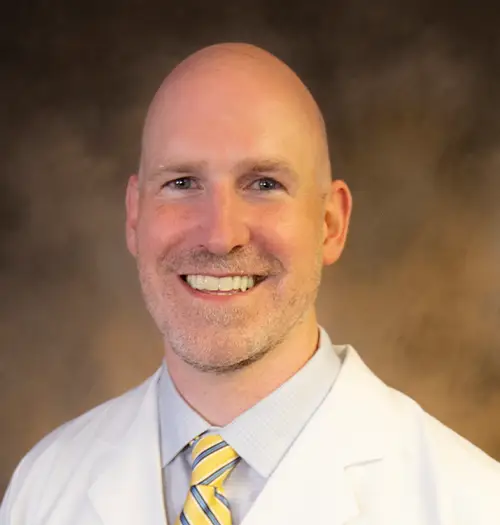
“Falls are one of the leading causes of injury in older adults and they can really impact patients’ independence,” Michael G. Vanderloo, DO, with Hattiesburg Clinic Lincoln Road Family Medicine and Healthworks, LLC said. “People think that falls are harmless, but a lot of times they can have consequences such as serious injury, hip fractures and head injuries.”
What Are Some Conditions That Make Someone More Prone To Falls?
Most falls are the result of a combination of risk factors. The more risk factors a person has, the greater their risk of falling.
“A lot of older adults will have some muscle wasting where muscle mass isn’t as good as it was, some weakness, arthritis, neuropathy, neurological conditions such as Parkinson’s, and poor vision can affect it as well,” Dr. Vanderloo said. “Getting low blood pressure, especially when you stand, is a big cause of [falls]. So, it’s important when you stand to make sure you’re not dizzy or lightheaded before you start walking.”
Other common causes of falls include:
- Difficulty walking or balancing
- Use of certain medications such as tranquilizers, sedatives, antidepressants and some over-the-counter medications
- Ripped carpets, rugs or clutter that can create tripping hazards
- Hearing loss
- Medical conditions like diabetes, heart disease, dementia, low blood pressure and problems with the thyroid, blood vessels or nerves
- Vitamin D deficiency
What Steps Can Be Taken To Avoid Falls?
Speaking with a primary care physician or provider can significantly lower the risk of falling by identifying factors that contribute to falls. “We can start at home by making sure the walkways are clear, limiting rugs, making sure you have good lighting, making sure you have grab bars and slip proof mats in the bathroom,” Vanderloo said. “And another way to reduce falls is by exercising and improving your strength and balance.”
There are simple and effective actions that can be taken to reduce fall risk, both inside the home and out.
- Utilize an assistive mobility device such as a walker or cane when feeling unsteady.
- Stay active and reduce age-related loss of muscle mass and balance.
- Get routine vision exams to ensure glasses and contact prescriptions are up-to-date and effective.
- Maintain a healthy weight and reduce risk of heart disease, stroke, diabetes and high blood pressure.
- Talk with your primary care physician or provider about any medications that may have adverse side effects like dizziness or drowsiness.
- Monitor hearing abilities and discuss hearing loss with a primary care physician or provider.
- Improve home safety by installing railings on either side of stairs and installing bars next to the tub or shower, remove rugs and cords that pose tripping hazards and increase the amount of lighting in the home.
- Wear non-skid, rubber-soled, low-heeled or lace-up shoes.
- Avoid walking on stairs or floors in socks or footwear with smooth soles.
- Get adequate sleep.
- Limit or avoid alcohol consumption.
- Remain indoors during severe weather.
- Keep hands free to hold on to railings and other assistive accommodations.
- Be aware of the location of pets when standing or walking.
What Actions Should Be Taken If A Fall Occurs?
Falls can be jarring, but when one occurs, it is important to stay calm. “When you fall, don’t panic, take a moment to make sure you’re not in any serious pain,” Vanderloo said. “Do not ignore falls. Always tell your physician about a fall.”
When a fall occurs, taking deep breaths can help reduce feelings of shock, in turn helping you better determine whether you are hurt before attempting to stand. It is important to stand up slowly to avoid additional injury.
If you are injured and cannot get up without assistance, ask for help or call 911. If you are alone, try to maneuver into a comfortable position and wait for help to arrive.
If you live alone, there are steps you can take to ensure access to help if a fall occurs. “It’s always wise to have your cellphone on you or a Life Alert bracelet… have a smart device or a way to contact 911 or a family member to come help you,” Vanderloo said. You can also arrange a daily contact schedule with a family member or friend.
###
About Hattiesburg Clinic Lincoln Road Family Medicine:
Hattiesburg Clinic Lincoln Road Family Medicine provides comprehensive evaluation and care to meet the complete health needs of every family member. Our physicians offer a prompt, complete assessment of each patient and obtain and coordinate consultation with other specialists on behalf of the patient as needed. As family medicine physicians, they are trained in multiple areas of medicine, enabling complete and overall care of their patients.
Along with diagnosing and treating illnesses, they provide preventive care, including standard checkups, health-risk assessments, immunizations, screening tests and customized instruction on maintaining a healthy lifestyle.
Our mission is to establish and maintain a one-on-one, ongoing patient-physician relationship with a focus on integrated care. Our patients are our first priority and keeping them healthy ultimately betters our community.
About Hattiesburg Clinic Healthworks, LLC:
Hattiesburg Clinic offers a network of occupational health and safety services coordinated through HealthWorks, LLC, a service of Hattiesburg Clinic and Forrest General Hospital.
This department is focused on providing comprehensive diagnosis and treatment of work-related illnesses and injuries and offers various health programs to meet a company’s individual needs. Additionally, arrangements can be made for on-site screenings, immunizations and health promotion (wellness) programs.
Board-certified, residency trained family medicine and emergency medicine physicians provide the primary services of this program. These primary care providers are supported by more than 150 specialty physicians, including orthopedic surgery, physical medicine and rehabilitation, pulmonary medicine and infectious diseases.
About Hattiesburg Clinic:
Hattiesburg Clinic is Mississippi’s largest privately-owned, multispecialty clinic. Founded in 1963, Hattiesburg Clinic has expanded to include over 450 physicians and providers, along with 2,500 employees, serving patients across more than 17 counties in Mississippi. Hattiesburg Clinic is committed to being the health care provider of choice in the communities we serve.