What Patients Need to Know for a Safer Recovery at Home
Hospital readmissions are more common than many people realize. According to the Agency for Healthcare Research and Quality, approximately one in five patients return to the hospital within 30 days of discharge, and for certain chronic conditions, that number can be even higher.
Hospital readmission rates show how important care is after a patient goes home. Reducing these readmissions is vital for better recovery. Some hospital returns are unavoidable. However, many can be prevented with proper care, good communication and follow-up after leaving the hospital.
Understanding hospital readmission rates and what contributes to them is an important part of improving outcomes. For patients, it comes down to knowing what to expect after discharge and taking an active role in recovery.
- Common Reasons Behind Hospital Readmissions
- How Readmissions Affect Patients
- Ways to Reduce Readmission Rates
- The Role of Patients and Caregivers
- Preventing Readmissions Through Coordinated Care
- Why Choose Hattiesburg Clinic for Hospital Care Services
Common Reasons Behind Hospital Readmissions
Hospital readmission rates are often influenced by what happens in the days and weeks after a patient leaves the hospital. In many cases, readmissions are linked to gaps in care, confusion about instructions or challenges managing health at home.
Some of the most common causes include:
- Medication-related issues such as missed doses, incorrect use or confusion about new prescriptions
- Incomplete recovery from the initial illness or procedure
- Chronic condition flare-ups, especially for conditions like heart disease, diabetes or lung disease
- Lack of timely follow-up care after discharge
- Post-discharge complications, including infections or worsening symptoms
These factors highlight why preventing readmissions requires more than just treatment in the hospital. It requires clear communication, patient understanding and continued support after discharge.
How Readmissions Affect Patients
Reducing hospital readmissions is not only about avoiding another hospital stay. It is about protecting a patient’s overall health and well-being.
When a patient is readmitted, it can lead to:
- Delayed healing, which can extend recovery time and limit daily activities
- Increased risk of complications, especially for those managing chronic conditions
- Higher medical costs related to additional care and treatment
- Emotional strain, including stress, frustration and disruption to daily life
For many patients, a readmission can feel like a setback. It can interrupt progress and make recovery more difficult. This is why efforts to reduce readmission rates are so important.
The goal is to help patients heal well and get back to their normal routines safely.
Ways to Reduce Readmission Rates
Reducing hospital readmissions starts before a patient leaves the hospital and continues throughout recovery at home. Patients who understand their care plan and stay engaged in their health are more likely to avoid complications.
Follow discharge instructions closely.
Discharge instructions provide a roadmap for recovery. They may include guidelines for activity, diet, wound care and symptoms to watch for. Taking the time to understand these instructions can help prevent issues that lead to readmission.
Take medications as directed.
Medication management is one of the most important parts of recovery. Patients should know what each medication is for, how and when to take it and what side effects to watch for. Keeping a written list can help reduce confusion.
Schedule and keep follow-up appointments.
Follow-up care plays a key role in reducing hospital readmissions. These visits allow providers to monitor healing, check for complications and make adjustments to treatment if needed. Missing these appointments can increase the risk of readmission.
Manage chronic conditions consistently.
Chronic conditions such as heart disease, diabetes and lung disease require ongoing care. Staying on track with medications, diet and lifestyle recommendations can help prevent flare-ups that may result in a return to the hospital.
Watch for warning signs.
Patients should be aware of symptoms that may signal a problem. Fever, increased pain, swelling, trouble breathing or unexpected changes should be addressed as soon as possible. Early action is one of the most effective ways of preventing readmissions.
Stay connected with your care team.
Communication is essential during recovery. Patients should feel comfortable reaching out to their provider with questions or concerns. Clear communication helps ensure that small issues do not become larger problems.
The Role of Patients and Caregivers
Patients are not alone in the recovery process. Family members and caregivers often play an important role in supporting hospital readmissions reduction. Having someone to help manage medications, attend appointments or monitor symptoms can improve outcomes and reduce stress.
Caregivers can help by:
- Keeping track of medications and schedules
- Helping the patient understand discharge instructions
- Watching for changes in symptoms
- Providing transportation to follow-up visits
- Offering support during recovery
This added layer of support can make it easier for patients to stay on track and reduce the likelihood of complications.
Preventing Readmissions Through Coordinated Care
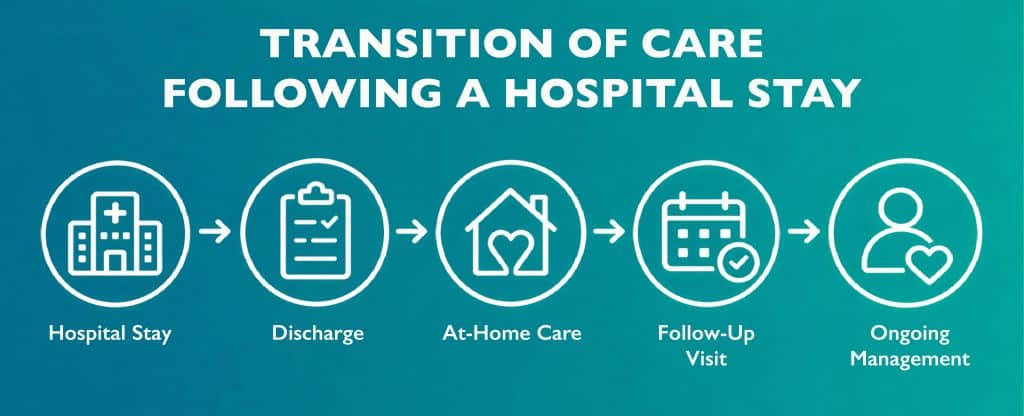
Preventing readmissions often depends on how well care is coordinated between providers. When hospital teams, primary care physicians and specialists communicate effectively, patients receive more consistent and connected care.
Coordinated care helps:
- Ensure continuity from hospital to home
- Provide clear and consistent treatment plans
- Support timely follow-up and monitoring
- Improve management of chronic conditions
This approach is a key part of reducing hospital readmissions. It helps close gaps in care and ensures that patients have the support they need at every stage of recovery.
Why Choose Hattiesburg Clinic for Hospital Care Services
Hattiesburg Clinic’s hospital care team focuses on delivering continuous, high-quality care for patients during their hospital stay. These physicians and providers care for hospitalized patients exclusively. They monitor each patient’s condition, order and interpret diagnostic tests and adjust treatment plans as needed.
The team also works closely with each patient’s primary care physician to support a smooth transition from hospital to home. This coordination helps ensure that care continues without interruption after discharge, which is an important part of reducing hospital readmissions.
Through clear communication, coordinated care and a patient-centered approach, Hattiesburg Clinic is committed to helping reduce readmission rates and support better outcomes. By focusing on both treatment and recovery, the hospital care team plays an important role in improving patient health and preventing future hospital stays.
###
About Hattiesburg Clinic:
Hattiesburg Clinic is Mississippi’s largest privately-owned, multispecialty clinic. Founded in 1963, Hattiesburg Clinic has expanded to include over 450 physicians and providers, along with 2,500 employees, serving patients across more than 17 counties in Mississippi. Hattiesburg Clinic is committed to being the health care provider of choice in the communities we serve.