Peripheral Artery Disease: Recognizing Symptoms and Seeking Treatment
Peripheral artery disease (PAD) is a common vascular condition caused when plaque builds up inside the arteries. This buildup restricts blood flow to the head, organs and limbs. Plaque consists of cholesterol, fat, calcium, fibrous tissue and other substances in the blood. Over time, hardened arteries can reduce circulation, leading to significant health issues. “Over time, untreated PAD can increase the risk of complications such as non-healing wounds, infections and even limb amputation in severe cases,” said J. Brannon Harrison, MD, a vascular surgeon with Hattiesburg Clinic Vascular Specialists.
Recognizing the Symptoms
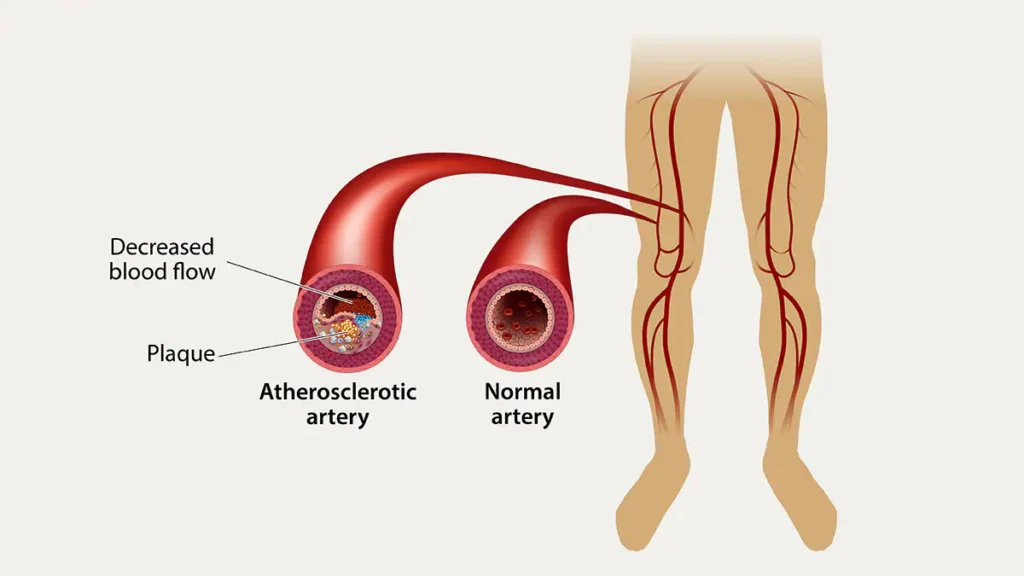
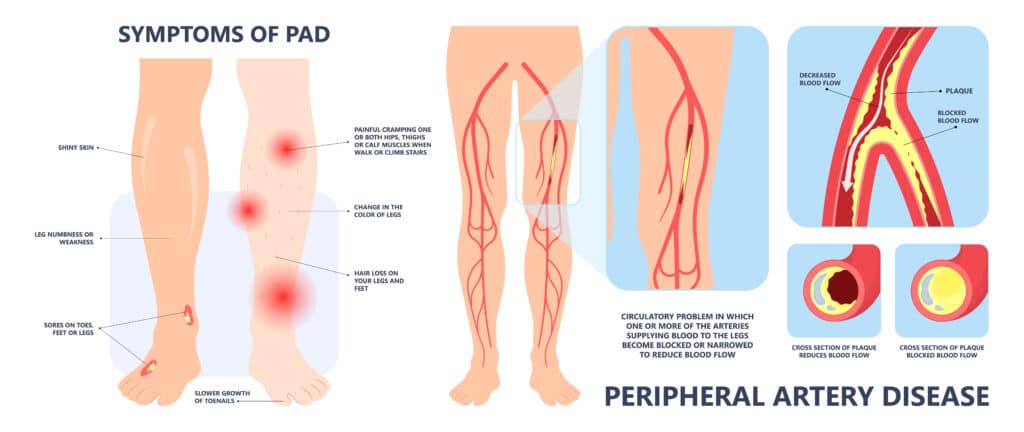
Many individuals with PAD may not experience symptoms or may attribute their discomfort to other conditions. However, common signs include:
- Leg pain or cramps during activity (claudication): This discomfort, often in the calves, thighs or hips, resolves with rest but may worsen over time.
- Resting pain in the toes or feet: Persistent pain, especially at night, may indicate advanced PAD.
- Non-healing wounds or ulcers on the feet or toes: These can signal severe PAD and increase the risk of infection or gangrene.
Colton A. Lott, DO, a physician with Hattiesburg Clinic Vascular Specialists, emphasized the importance of paying attention to potential symptoms. “Peripheral artery disease often presents with subtle signs, such as leg pain during walking or slow-healing wounds,” he said. “If left untreated, PAD can lead to serious complications, including major limb amputation. Early recognition and diagnosis are critical to preventing these outcomes.”
Risk Factors and Associated Conditions
Certain risk factors elevate the likelihood of developing PAD, including:
- Smoking
- Diabetes
- High blood pressure
- High cholesterol
- Obesity
- Kidney disease
Diagnosis and Treatment Options
Diagnosing PAD typically involves a vascular ultrasound or ankle-brachial index test to measure blood flow. Advanced imaging, such as CT angiography, may be necessary for complex cases. Early diagnosis allows for prompt intervention to reduce symptoms and prevent complications. “PAD is often part of a broader vascular health issue that may involve conditions like carotid artery stenosis or abdominal aortic aneurysms,” Dr. Lott added. “Identifying and managing risk factors like smoking and high cholesterol can improve outcomes.”
Treatment strategies for PAD include:
- Lifestyle modifications: Factors that can help improve vascular health include quitting smoking, managing blood pressure and maintaining a healthy diet.
- Medical management: This can include taking medications to control cholesterol, blood pressure or blood clotting.
- Endovascular treatment: Treatments that can improve outcomes are minimally invasive procedures such as angioplasty, stents or thrombectomy to restore blood flow.
- Surgical interventions: For severe cases, surgical interventions such as bypass grafting or aneurysm repair may be necessary.
Patients with more complex conditions, such as carotid stenosis, may require specialized procedures.
Finding Vascular Care
If you suspect PAD or related vascular issues, seek care promptly. When asked how crucial it is to seek vascular care, Dr. Harrison says, “With advancements in endovascular treatments like angioplasty and stenting, we can restore blood flow with minimal downtime,” he said. “These procedures are life-changing for patients with severe PAD.”
Why Choose Hattiesburg Clinic Vascular Surgery?
Hattiesburg Clinic Vascular Specialists department treats patients with conditions affecting the arteries, veins and lymphatic systems that primarily involve circulation from the heart to the rest of the body. We focus on circulatory issues to relieve pain, preserve limbs and effectively care for wounds. Hattiesburg Clinic Vascular Specialists also has an in-office endovascular center, adjacent to its office on the second floor of Hattiesburg Clinic, which offers patients a more private, convenient and timely setting for advanced minimally invasive procedures. Additionally, our vascular physicians perform outpatient surgical interventions, including digital angiography and endovascular therapies for peripheral artery disease (PAD) patients, at the state-of-the-art Lowery A. Woodall Outpatient Surgery Center. This facility features multiple modern operating rooms and dedicated postoperative care zones designed for ambulatory vascular surgery. If you or someone you know is experiencing persistent or severe leg pain, consult a health care professional for evaluation and appropriate management. Your legs carry you through life; it is essential to take care of them.
References:
- CDC, About Peripheral Arterial Disease (PAD)
United States, https://www.cdc.gov/heart-disease/about/peripheral-arterial-disease.html
###
About Hattiesburg Clinic:
Hattiesburg Clinic is Mississippi’s largest privately-owned, multispecialty clinic. Founded in 1963, Hattiesburg Clinic has expanded to include over 450 physicians and providers, along with 2,500 employees, serving patients across more than 17 counties in Mississippi. Hattiesburg Clinic is committed to being the health care provider of choice in the communities we serve.