Symptoms and Risk Factors of a Stroke
A stroke can happen suddenly and without warning, changing a person’s life in a matter of minutes. Stroke is one of the leading causes of long-term disability and death in the United States, but many strokes are preventable. Understanding the warning signs, knowing your personal risk factors and taking steps toward prevention can make a significant difference in protecting your brain health.
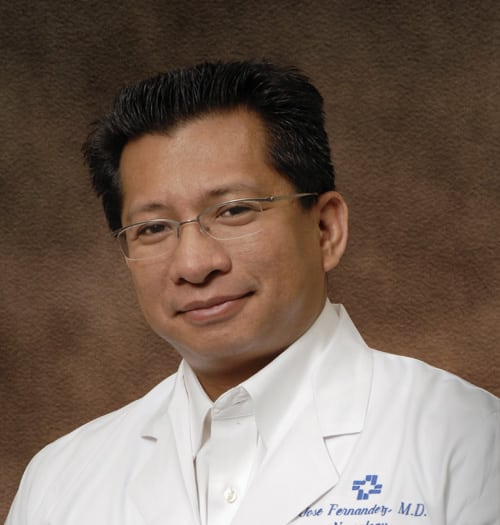
“Prevention begins with education and proactive health care,” Jose P. Fernandez, Jr., MD, with Hattiesburg Clinic Neurology – Lincoln Center said. “By managing chronic conditions, making healthy lifestyle choices and seeking immediate medical attention when symptoms appear, you can work to reduce stroke risk and protect your long-term brain health.”
- What Is a Stroke?
- Types of Stroke
- Common Stroke Symptoms
- Stroke Risk Factors
- How To Help Prevent Stroke
- Recovery After Stroke
- Why Choose Hattiesburg Clinic
What Is a Stroke?
A stroke occurs when blood flow to part of the brain is interrupted or reduced, preventing brain tissue from receiving the oxygen and nutrients it needs to survive. The brain relies on a constant supply of oxygen-rich blood to function properly. When blood flow is blocked or a blood vessel bursts, parts of the brain can become damaged. Because different areas of the brain control different functions, the effects of a stroke can vary depending on where it occurs and how quickly treatment is received.
Types of Stroke
Not all strokes are the same. Different types of strokes can affect the brain in different ways depending on what causes the interruption in blood flow. The three main types of strokes are ischemic, hemorrhagic and transient ischemic attack (TIA).
Ischemic Stroke
An ischemic stroke is the most common type of stroke, accounting 87% of all strokes. It occurs when a vessel supplying blood to the brain is obstructed. In most causes this obstruction is caused by a blood clot or buildup of plaque that blocks blood flow to the brain. These clots may form in the arteries leading to the brain or travel from another part of the body, such as the heart. Conditions like high cholesterol, atrial fibrillation and narrowed arteries can increase the risk of ischemic stroke.
Hemorrhagic Stroke
Hemorrhagic strokes make up about 13% of stroke cases and occur when a blood vessel becomes weak and ruptures. The bleeding places pressure on brain tissue and reduces oxygen supply to surrounding areas. The two types of weakened blood vessels are aneurysms and arteriovenous malformations (AVMs). Uncontrolled high blood pressure is one of the leading causes of hemorrhagic stroke.
Transient Ischemic Attack
A transient ischemic attack (TIA), often called a “mini stroke” or “warning stroke”, is caused by a temporary blockage of blood flow to the brain. Symptoms are similar to a stroke but usually resolve within minutes or hours without permanent damage. Even though symptoms go away, a TIA should never be ignored. It can serve as an important warning sign that a major stroke may occur in the future.
Common Stroke Symptoms
Stroke symptoms often begin suddenly, but recognizing the signs and seeking emergency medical attention quickly can greatly improve outcomes and reduce long-term damage.
One of the easiest ways to remember stroke warning signs is the acronym B.E. F.A.S.T.
- B – Balance Loss: Is there a sudden loss of balance, difficulty walking or dizziness?
- E – Eye (Vision) Changes: Is there a sudden change in vision? Is vision blurred, doubles or loss of sign?
- F – Face Drooping: Is one side of the face numb or dropping?
- A – Arm Weakness: Is there numbness or weakness in one arm?
- S – Speech Difficulty: Is speech slurred, unable to speak or difficulty forming words?
- T – Time to Call 911: If you or someone you know experiences these symptoms, do not wait. Call 911 immediately. Early treatment can make all the difference.
Additional stroke symptoms may include sudden confusion or severe headache with no known case. “Some people may dismiss symptoms because they improve quickly or seem mild at first,” Dr. Fernandez said. “However, even temporary symptoms can indicate a serious problem that requires immediate evaluation.”
Why Immediate Treatment Matters
When it comes to stroke, time matters. The faster treatment begins, the better the chance of minimizing brain damage and improving recovery. Certain medications can help dissolve blood clots in ischemic stroke patients, but they are only effective within a limited time window after symptoms begin. Delaying care may reduce treatment options and increase the risk of permanent disability.
Stroke Risk Factors
Stroke risk increases with age, especially after age 55, although strokes can still occur in younger adults. A family history of stroke or cardiovascular disease may also increase a person’s likelihood of experiencing a stroke. Men generally have a higher risk of stroke at younger ages, but women are more likely to die from stroke due to certain hormone-related factors.
How To Help Prevent Stroke
Although not every stroke can be prevented, many people can significantly reduce their risk by making proactive health choices. There are many lifestyle and health-related risk factors that be also increase the likelihood that a stroke will occur such as high blood pressure, smoking, diabetes, high cholesterol, obesity, physical inactivity, poor diet, excessive alcohol use and heart conditions. Addressing these issues early can greatly reduce the risk of stroke. Preventive care is especially important for individuals with multiple risk factors or a family history of stroke.
Preventable Stroke Risk Factors
- High Blood Pressure: High blood pressure is one of the leading causes of stroke because elevated blood pressure overtime causes damages blood vessels and increases the likelihood of clots or ruptures. Working with your physician or provider to manage blood pressure through medication, exercise and diet can significantly reduce stroke risk.
- Smoking: Smoking damages blood vessels, raises blood pressure, reduces oxygen in the blood and contributes to plaque buildup in the arteries, increasing the risk of blood clots. Quitting smoking can quickly begin improving circulation and lowering stroke risk.
- Diabetes: High blood sugar levels can accelerate plaque buildup and increase the risk of clot formation. Maintaining healthy blood sugar levels through diet, medication and regular monitoring is an important part of stroke prevention.
- High Cholesterol: High cholesterol can lead to plaque buildup in the arteries, narrowing blood vessels and reducing blood flow to the brain. A heart-healthy diet, physical activity and medications, when necessary, can help manage cholesterol levels.
- Obesity: Excess weight is associated with multiple stroke risk factors, including high blood pressure, diabetes and heart disease. Even small amounts of weight loss can help improve overall heart health and lower stroke risk.
- Physical Inactivity: A sedentary lifestyle contributes to poor circulation. Regular exercise helps strengthen the heart, improve blood flow and maintain healthy blood pressure levels.
- Poor Diet: Diets high in sodium, processed foods, saturated fats and added sugars can increase stroke risk over time. Eating more fruits, vegetables, lean proteins, whole grains and healthy fats can support better health and reduce stroke risk.
- Excessive Alcohol Use: Heavy alcohol consumption may increase blood pressure and contribute to stroke risk. Moderation is important for maintaining overall health.
- Heart Conditions: Certain heart conditions, especially atrial fibrillation (AFib), can increase the likelihood of blood clots traveling to the brain. Managing heart disease through medication and regular medical care is an important part of stroke prevention.
Recovery After Stroke
Stroke recovery varies from person to person and can be a long and challenging process. Some individuals recover fully, while others may experience long-term challenges with movement, speech, memory or daily activities. Rehabilitation often includes physical therapy, occupational therapy and speech therapy to help regain function and independence, but in some cases, patients may never fully recover, which can significantly impact both their quality of life and independence. Because the damage caused by a stroke can be permanent, prevention and early intervention are critical to reducing risk and protecting long-term brain health. Support from health care professionals, family members and rehabilitation specialists can play a major role in recovery.
Why Choose Hattiesburg Clinic
At Hattiesburg Clinic Neurology, our specialists play an important role in the evaluation, treatment and long-term care management for stroke patients. From diagnosing neurological symptoms to helping identify underlying risk factors, neurologists work closely with patients to develop personalized rehabilitation and prevention plans. They also can help manage recovery after a stroke by monitoring neurological function, coordinating rehabilitation efforts and providing ongoing care aimed at reducing the risk of future strokes. Through early intervention, patient education and comprehensive neurological care, the team helps patients protect and improve their brain health.
###
About Hattiesburg Clinic Neurology – Lincoln Center:
The board-certified neurologists at Hattiesburg Clinic specialize in diagnosing and treating conditions affecting the brain, spinal cord and nerves. We use advanced imaging and the latest technology to identify the root cause of your symptoms and create a personalized care plan based on your unique needs. Our providers offer a full range of neurological services, from infusions to long-term memory care, to enhance patients’ quality of life.
About Hattiesburg Clinic:
Hattiesburg Clinic is Mississippi’s largest privately-owned, multispecialty clinic. Founded in 1963, Hattiesburg Clinic has expanded to include over 450 physicians and providers, along with 2,500 employees, serving patients across more than 17 counties in Mississippi. Hattiesburg Clinic is committed to being the health care provider of choice in the communities we serve.