How the Flu Vaccine Protects You and Your Plans
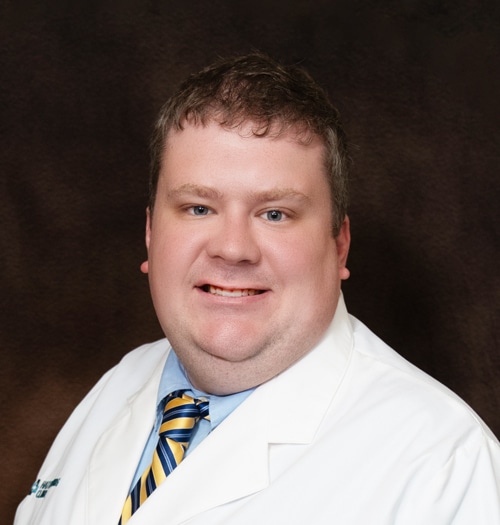
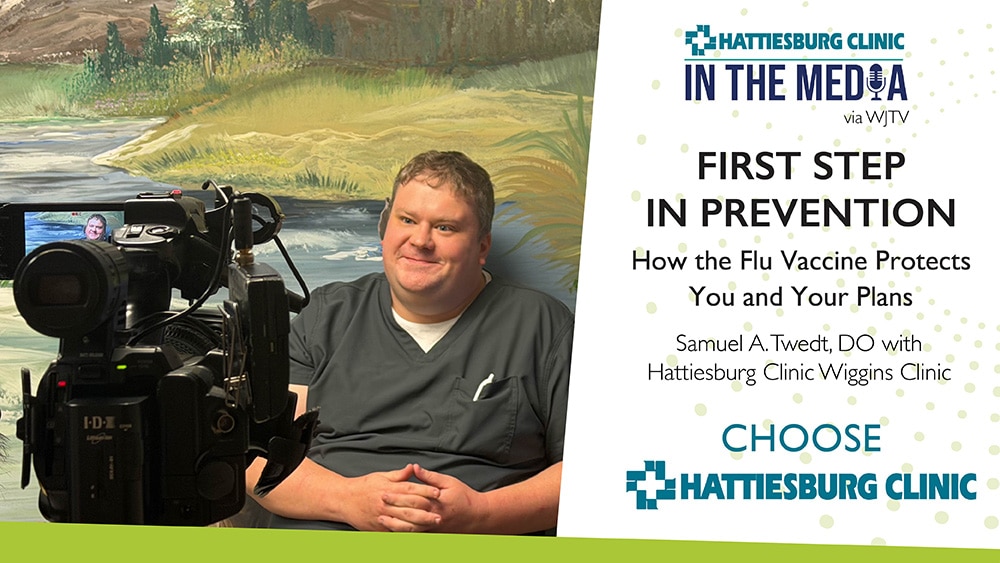
Samuel A. Twedt, DO, with Hattiesburg Clinic Wiggins Clinic recently spoke with WJTV about the importance of flu vaccinations.
According to the U.S. Centers for Disease Control and Prevention (CDC), tens of millions of people in the United States get the flu each year, but the virus is often thought of as a minor case of sniffles. While flu can be mild, in some cases, it can be severe and lead to long-term health risks and even death.
In this Article:
What is Flu and Why is it Dangerous?
Flu is a contagious respiratory illness. It is caused by influenza viruses that infect tissues inside the throat, nose and lungs. These viruses can cause mild to severe illness. Flu symptoms tend to come on suddenly and oftentimes include some or all of the following symptoms:
- Fever or chills
- Cough
- Sore throat
- Congestion or runny nose
- Body aches
- Headaches
- Tiredness/fatigue
- Vomiting or diarrhea
While the majority of people do experience flu symptoms, the CDC reports that about 8% of people who test positive for flu are asymptomatic.
With milder cases of flu, people tend to recover within three to seven days though more severe cases can last for a few weeks. But, if left untreated, flu can lead to:
- Rapid breathing, wheezing or difficulty breathing
- High fever that does not improve with medication
- Coughing up blood-tinged mucus
- Bluish-gray skin tone
- Dehydration
- Chest pain or pressure
- Dizziness
- Mental confusion
- Seizures
- Severe vomiting
- Listlessness or irritability
In more severe cases, the flu can be life threatening.
“The flu is dangerous for a variety of reasons,” Dr. Twedt said. “The first is it can make you very, very ill to the point where your vital signs become very out of control. It can create respiratory failure, pneumonia, put you in life threatening situations.”
Flu can also lead to pneumonia and bacterial pneumonia which can cause respiratory failure requiring ventilator use, a heart attack or cardiac issues like myocarditis and even stroke.
“One of the more feared complications is what we call ‘flumonia,’ where you get pneumonia on top of the influenza infection,” Twedt said. “So, on top of dealing with the flu, which is already bad enough, you can get pneumonia, turn septic and end up in the hospital. That is what most commonly kills people.”
Who is at Risk for Flu?
According to the CDC, millions of Americans, between 3% and 11%, are diagnosed with the flu each year. There are several factors that can increase the chances of experiencing flu-related complications. Individuals with asthma, chronic obstructive pulmonary disease (COPD), diabetes, heart diseases, kidney disease and lung disease are at an increased risk for complications.
Additionally, elderly individuals—those 65 years of age and older—and children five years of age and younger tend to be more susceptible to flu complications. Pregnant people are at particular risk as well.
Twedt explained that historic context from the 1918 influenza pandemic can provide further insight into vulnerable populations.
“Historically, if you look at the 1918 Spanish flu, it infected two populations very heavily. One was the immunocompromised people—the people who are elderly, have cancer, have chronic illnesses. But also, people that were of robust health,” Twedt said. “People with robust immune systems can also get very sick because their own immune system is already so strong and it’s kind of like calling artillery on yourself,” Twedt said. “Your own body becomes weakened from your own immune response.”
These data, patterns and statistics show that regardless of your age, health status or other differentiating factors, preventing the flu is in the best interest of everyone.
Why Does Preventing Flu Matter?
The flu vaccine is the first step in prevention. Because every flu season is different, seasonal flu vaccines are developed based on the influenza virus that research suggests will be most common during the upcoming flu season.
“The flu vaccine works by helping give your body a blueprint, so if it encounters the virus, it is able to prevent it from causing an infection” Twedt said.
While individuals who receive the flu vaccine may still get the flu, research centrally shows that the flu vaccine greatly reduces the severity of the illness and decreases the risks of complications.
Additionally, vaccination ensures you are healthy and present for some of the year’s busiest moments. Work, school, family and the activities you enjoy do not stop when flu season starts. Getting vaccinated can help you stay on track.
“With the flu, because of how sick it makes you, and because it peaks in the holiday season, a lot of times you can forget having Christmas and Thanksgiving,” Twedt said. “It can ruin your holiday plans.”
To learn more about flu, visit www.hattiesburgclinic.com/flu or talk to your primary care physician.
View the full interview here.
###
About Hattiesburg Clinic Wiggins Clinic:
Hattiesburg Clinic Wiggins Clinic provides comprehensive evaluation and care to meet the total health needs of each family member. These physicians offer prompt, complete assessment of the patient in their home community and are able to obtain and coordinate consultation with other specialists when necessary. Family physicians receive training in six broad areas of medicine: pediatrics, internal medicine, obstetrics and gynecology, psychiatry, surgery and community medicine. Their diverse training allows them to offer continuing, comprehensive care from the newborn to the grandparent.
About Hattiesburg Clinic:
Hattiesburg Clinic is Mississippi’s largest privately-owned, multispecialty clinic. Founded in 1963, Hattiesburg Clinic has expanded to include over 450 physicians and providers, along with 2,500 employees, serving patients across more than 17 counties in Mississippi. Hattiesburg Clinic is committed to being the health care provider of choice in the communities we serve.