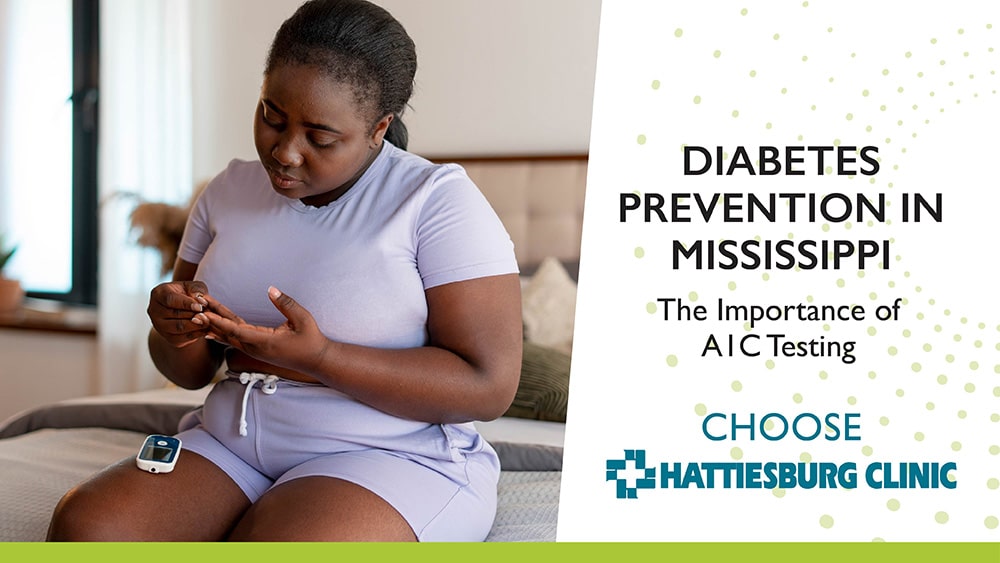
The Importance of A1C Testing in Mississippi
According to the American Diabetes Association, over 40 million Americans have diabetes1; it is an epidemic in the United States. In Mississippi, over 387,000 people have been diagnosed with diabetes1. As of 2023, an additional 75,000 people in Mississippi have diabetes but are unaware, and there are 814,000 people, 35.6% of the population, who have prediabetes2.
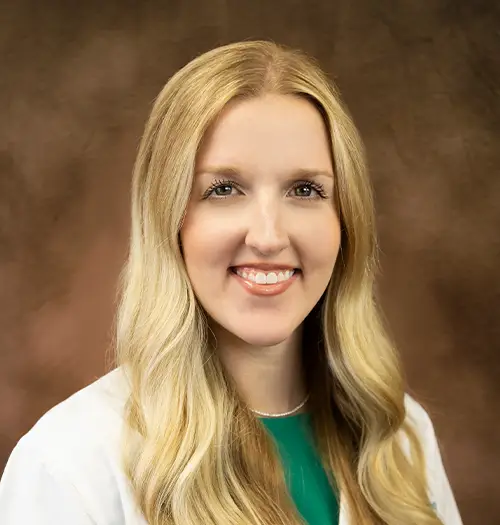
“The most striking statistic I found is that one in three people [in Mississippi] have prediabetes,” Tori H. Russell, MD, with Hattiesburg Clinic Columbia Family Clinic said.
What is Prediabetes?
Prediabetes is an indicator of increased risk of developing Type 2 diabetes. “It is what happens before you are thrust over the cliff of diabetes,” said Dr. Russell. “It’s a time where your body is exposed to way more sugar than it needs to be and it starts to destroy your organs. It’s before you are full blown diabetic and your body is not producing enough insulin for the sugar you are consuming.” If diagnosed with prediabetes, it means blood sugar levels are elevated, but not enough to meet criteria for diagnosis of Type 2 diabetes.
Diabetes Screening
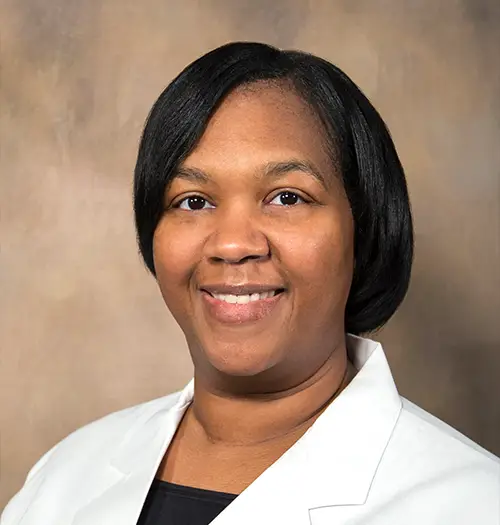
To determine whether a person has prediabetes, an A1C test is used. “In order to diagnose prediabetes, we do something called an A1C test,” Terra Parker, DO with Hattiesburg Clinic Columbia Family Clinic said. “The A1C test tells us what a patient’s sugar is over the past three months. It’s a simple blood test.” Health care providers use A1C tests to diagnose prediabetes and Type 2 diabetes, and to monitor how well your diabetes treatment plan is working.
“I love A1C tests,” Russell said. “A glucose reading just tells me what is going on at the moment. An A1C test gives me a window to look at what has been going on and maybe predict what may happen.”
It is generally recommended to see your primary care physician for a diabetes screening at least once per year, though the frequency may vary depending on individual risk factors, such as family history, age, weight and other underlying health conditions.
“The higher the A1C level is, the poorer the blood sugar control,” Hattiesburg Clinic endocrinologist Daniel T. McCall, IV, MD said. “When your A1C level is high, you’re at higher risk of having health concerns that are related to diabetes, like kidney disease, nerve damage and eye problems.”
For individuals without diabetes, a normal A1C level is typically less than 5.7%. For most people living with diabetes, the goal is to keep A1C levels below 7%. However, in older adults or individuals with other health conditions, an A1C level closer to 8% can still be considered acceptable based on individual health needs.
Preventing diabetes begins with an A1C test, and in Mississippi, where approximately 23,000 people are diagnosed with diabetes every year, prevention is key.
For more information on A1C testing and diabetes prevention, contact your primary care physician or visit www.hattiesburgclinic.com.
Sources:
- American Diabetes Association, The Burden of Diabetes in Mississippi, Feb. 2026
- American Diabetes Association, The Burden of Diabetes in Mississippi, Aug. 2025
###
About Hattiesburg Clinic Endocrinology:
Hattiesburg Clinic Endocrinology is a subspecialty of internal medicine that deals with hormones and the glands that produce them – including the pituitary, thyroid, parathyroid, adrenals, ovaries and testes, and the insulin-producing cells of the pancreas. Hattiesburg Clinic’s endocrinologists consult in cases of severe diabetes, lipid, or thyroid disorders; osteoporosis; and other situations where a hormonal disorder is suspected.
About Hattiesburg Clinic:
Hattiesburg Clinic is Mississippi’s largest privately-owned, multispecialty clinic. Founded in 1963, Hattiesburg Clinic has expanded to include over 450 physicians and providers, along with 2,500 employees, serving patients across more than 17 counties in Mississippi. Hattiesburg Clinic is committed to being the health care provider of choice in the communities we serve.