The Importance of Colon Cancer Screening
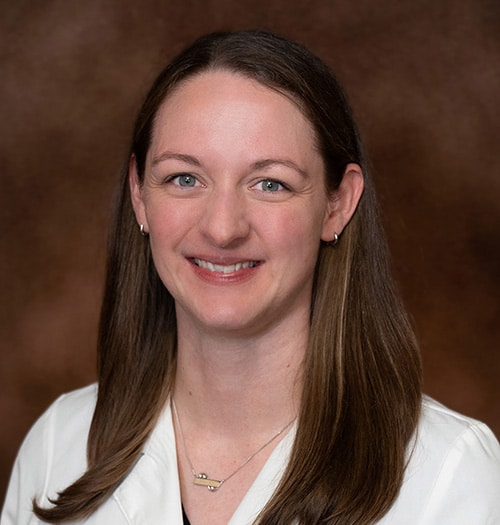
Colon cancer remains one of the few cancers that can be prevented through routine screening, yet many individuals delay testing until symptoms appear. Rebecca Browning, DO, MS , a gastroenterologist with Hattiesburg Clinic, is encouraging the community to prioritize screening and proactive prevention.
“Colon cancer is cancer of the colon, which is the large intestine,” Browning said. “The concerning part is that you often do not have symptoms until it is more advanced.”
When symptoms do occur, they may include a sudden change in bowel habits, blood in the stool, unexplained anemia or unexplained weight loss. However, Browning emphasizes that waiting for symptoms is not the right approach.
Screening for colon cancer begins at age 45 for individuals at average risk. Those with a family history of colon cancer should begin screening earlier, often at age 40 or younger depending on their specific family history.
“There are not many cancers that we can actually prevent,” Browning said. “Colon cancer is one of them.”
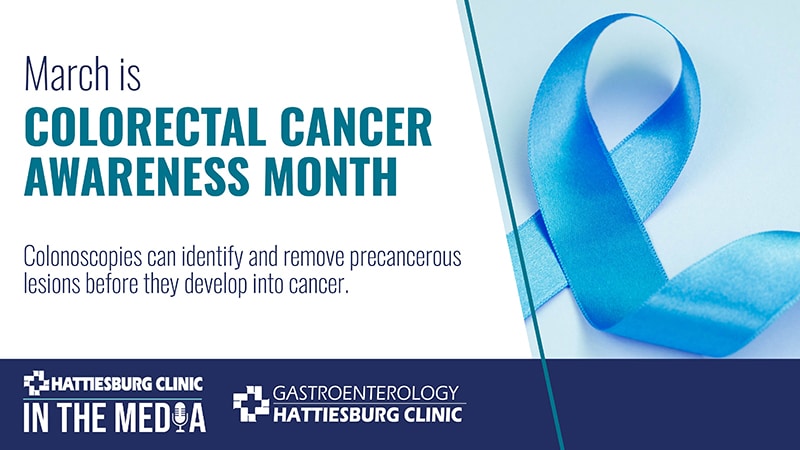
With a colonoscopy, physicians can identify and remove precancerous lesions before they develop into cancer. Polyps, which are abnormal tissue growths in the colon, can be removed during the procedure, reducing the risk of future cancer development.
In addition to screening, Browning encourages patients to focus on prevention through lifestyle choices. A diet high in fiber and dietary probiotics, along with limiting highly processed foods, has been associated with a decreased risk of colon cancer.
“The most important thing is to actually get screened and to stay consistent with screening based on your physician’s recommendations,” Browning said.
If colon cancer is diagnosed, care coordination begins immediately. Patients undergo imaging and pathology review to determine the stage of the disease. Treatment options may include surgical resection, chemotherapy and potentially radiation therapy.
Comprehensive colon cancer care is available locally through Hattiesburg Clinic. Patients can receive diagnostic evaluation, surgical care and hematology and oncology services within the clinic’s network, ensuring continuity throughout the treatment process.
For more information, call (601) 268-5680 or visit www.hattiesburgclinic.com/gastroenterology.
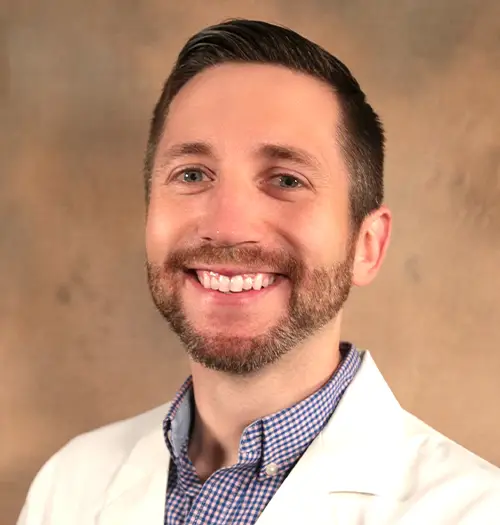
Click here to watch the full interview with Hattiesburg Clinic gastroenterologist Michael A. Goebel, MD.
###
About Hattiesburg Clinic Gastroenterology:
Hattiesburg Clinic Gastroenterology offers clinical services to evaluate diseases of the intestinal tract, liver and pancreas, including esophageal disease, peptic ulcer disease, gallstone disease, pancreatitis, inflammatory bowel disease, hepatitis and cirrhosis.
About Hattiesburg Clinic:
Hattiesburg Clinic is Mississippi’s largest privately-owned, multispecialty clinic. Founded in 1963, Hattiesburg Clinic has expanded to include over 450 physicians and providers, along with 2,500 employees, serving patients across more than 17 counties in Mississippi. Hattiesburg Clinic is committed to being the health care provider of choice in the communities we serve.