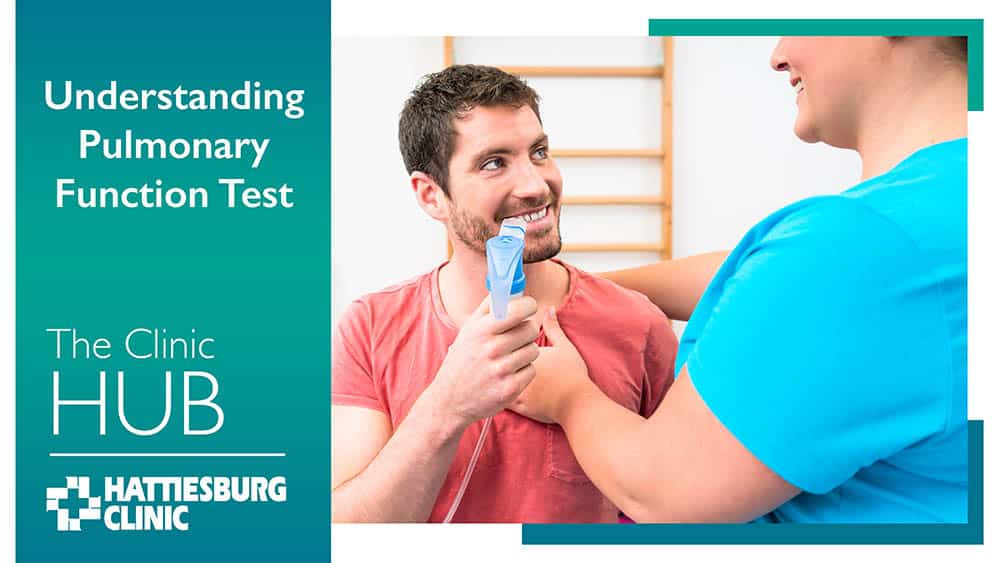
Understanding Pulmonary Function Testing (PFT)
What is a PFT?
Pulmonary function testing, or PFT, is a non-invasive assessment that measures how well your lungs are working. PFTs evaluate lung volumes, rates of flow and gas exchange, providing essential information for diagnosing and monitoring lung function and respiratory conditions. Spirometry is a common type of pulmonary function test that measures how much air you can breathe in and out and how quickly you can exhale.
PFTs are used to diagnose, monitor and assess a variety of respiratory and systemic conditions, including:
- Asthma
- Chronic Obstructive Pulmonary Disease (COPD)
- Pulmonary fibrosis
- Interstitial lung disease
- Sarcoidosis
- Neuromuscular conditions
PFTs are often administered to individuals who:
- Have symptoms like chronic cough, shortness of breath or wheezing
- Are at risk for occupational lung diseases (e.g., from exposure to dust, chemicals or other inhaled irritants)
- Have a history of smoking or are undergoing pre-surgical evaluations
Regular pulmonary function testing is vital for maintaining optimal respiratory health, especially for individuals with existing lung conditions or those at risk. Consult with your health care provider to determine the appropriate testing schedule for your needs.
Why Do I Need a PFT?
Your provider may order a PFT to check how well your lungs are working. This test helps them understand how much air your lungs can hold, how well you can breathe it out and how efficiently your lungs move oxygen into your blood. You may need a PFT for the following reasons:
- Symptoms: If you have trouble breathing, a persistent cough, wheezing or shortness of breath, and the doctor wants to find out what is causing it.
- Diagnose Conditions: It can help diagnose lung problems like asthma, COPD or other lung diseases.
- Monitor Your Health: If you already have a lung condition, the doctor uses a PFT to see if it’s getting better, worse or staying the same.
- Check Medication Effectiveness: The test can show if your treatment or medications are helping your lungs work better.
In short, a PFT helps your doctor get a clear picture of your lung health so they can provide the best care for you. According to L. Wesley Aldred, MD, FACP, FCCP, at Hattiesburg Clinic Pulmonary Medicine, “A PFT is essential for diagnosing COPD, determining its severity, monitoring its progression and assessing the effectiveness of treatments. It helps providers make informed decisions about how to manage the disease and improve the patient’s quality of life.”
How are PFTs Performed?
Pulmonary function testing is typically performed by trained health care professionals in a clinical or hospital setting. The test is simple, non-invasive and takes about 15 – 30 minutes. During a PFT, your role is to follow instructions carefully to ensure accurate and reliable results. Here is what you typically need to do:
- You may be asked to sit inside a clear, airtight booth resembling a small phone booth.
- You will sit upright and wear a nose clip to ensure all breathing is done through your mouth.
- You will breathe into a mouthpiece attached to the device called a spirometer.
- A technician will guide you to:
- Take a deep breath in.
- Blow out as forcefully and quickly as possible until your lungs are empty.
- Repeat the test multiple times to ensure accurate results.
By following these steps, you will contribute to the accuracy of the PFT, which is essential for evaluating your lung health and guiding any necessary treatment. It is important to give your best effort during each maneuver to ensure the most accurate assessment of your lung function, while also trying to stay relaxed and focused, as anxiety can affect your breathing patterns. Most people tolerate PFTs without significant issues, and technicians are trained to support patients who feel anxious or claustrophobic. Sharing your concerns ahead of time can ensure a smoother and more comfortable experience. PFTs are generally safe, but some individuals may experience lightheadedness, shortness of breath or coughing during the test.
How to Prepare for Your PFT
Preparing for a PFT is important to ensure accurate and reliable results. Here are some key steps to follow:
- Avoid Smoking: Do not smoke for at least four to six hours before the test. Smoking can affect lung function and lead to inaccurate results.
- Refrain from Using Certain Medications: Check with your health care provider if you need to avoid using inhalers, bronchodilators or other medications before the test. These medications can influence the test’s outcome.
- Avoid Heavy Meals: Do not eat a large meal within two to three hours of the test. A full stomach can restrict your lungs’ ability to expand fully.
- Limit Caffeine and Alcohol: Avoid caffeine and alcohol before the test, as they can affect your breathing patterns.
- Wear Comfortable Clothing: Choose loose-fitting clothes that will not restrict your ability to breathe deeply.
- Avoid Intense Exercise: Refrain from vigorous physical activity for at least two hours before the test, as it can temporarily alter your lung function.
- Follow Your Doctor’s Instructions: Your health care provider may give you specific instructions tailored to your condition, such as how to use your medications or whether additional preparation is needed.
By following these steps, you will help ensure your PFT provides an accurate assessment of your lung function.
At Hattiesburg Clinic, we offer comprehensive PFT services to assess and monitor your lung health. Our experienced team utilizes state-of-the-art equipment to ensure accurate and reliable results, aiding in the effective management of respiratory conditions. PFTs play a vital role in diagnosing and managing lung diseases, with wide applications in detecting conditions such as COPD, asthma and pulmonary fibrosis. Early detection through PFTs can lead to better treatment outcomes, helping to prevent further damage and improve quality of life for those with lung diseases. Regular use of PFTs can also help health care providers assess the effectiveness of treatments and monitor disease progression.
Why choose Hattiesburg Clinic?
The pulmonary specialists at Hattiesburg Clinic provide prevention, diagnosis, treatment and rehabilitation of respiratory disorders in adult patients. This includes the diagnosis and management of interstitial lung diseases, COPD, asthma, infectious lung disease and occupational lung disease, the treatment of drug-related pulmonary disorders and the diagnosis of cancer in suspected patients.
With advanced training in both pulmonary and critical care medicine, our experts serve patients in the Hattiesburg area and beyond. When working with our team, patients receive an individualized treatment plan customized to their specific diagnosis and needs. Whether you have questions about symptoms you are experiencing, would like to schedule a consultation or have received a referral, our team is here to help. Learn more about our patient-centered approach to care today.
###
About Hattiesburg Clinic:
Hattiesburg Clinic is Mississippi’s largest privately-owned, multispecialty clinic. Founded in 1963, Hattiesburg Clinic has expanded to include over 450 physicians and providers, along with 2,500 employees, serving patients across more than 17 counties in Mississippi. Hattiesburg Clinic is committed to being the health care provider of choice in the communities we serve.